


The journey of Peter Dorelli
Best known for his decades at The American Bar at The Savoy, Peter Dorelli combines old-world hospitality with a flair for storytelling, training generations of bartenders to see—not just serve—their guests. His journey from a young Italian newcomer to one of London’s most celebrated barmen is as charming as it is unexpected.
How did you get started in bartending?
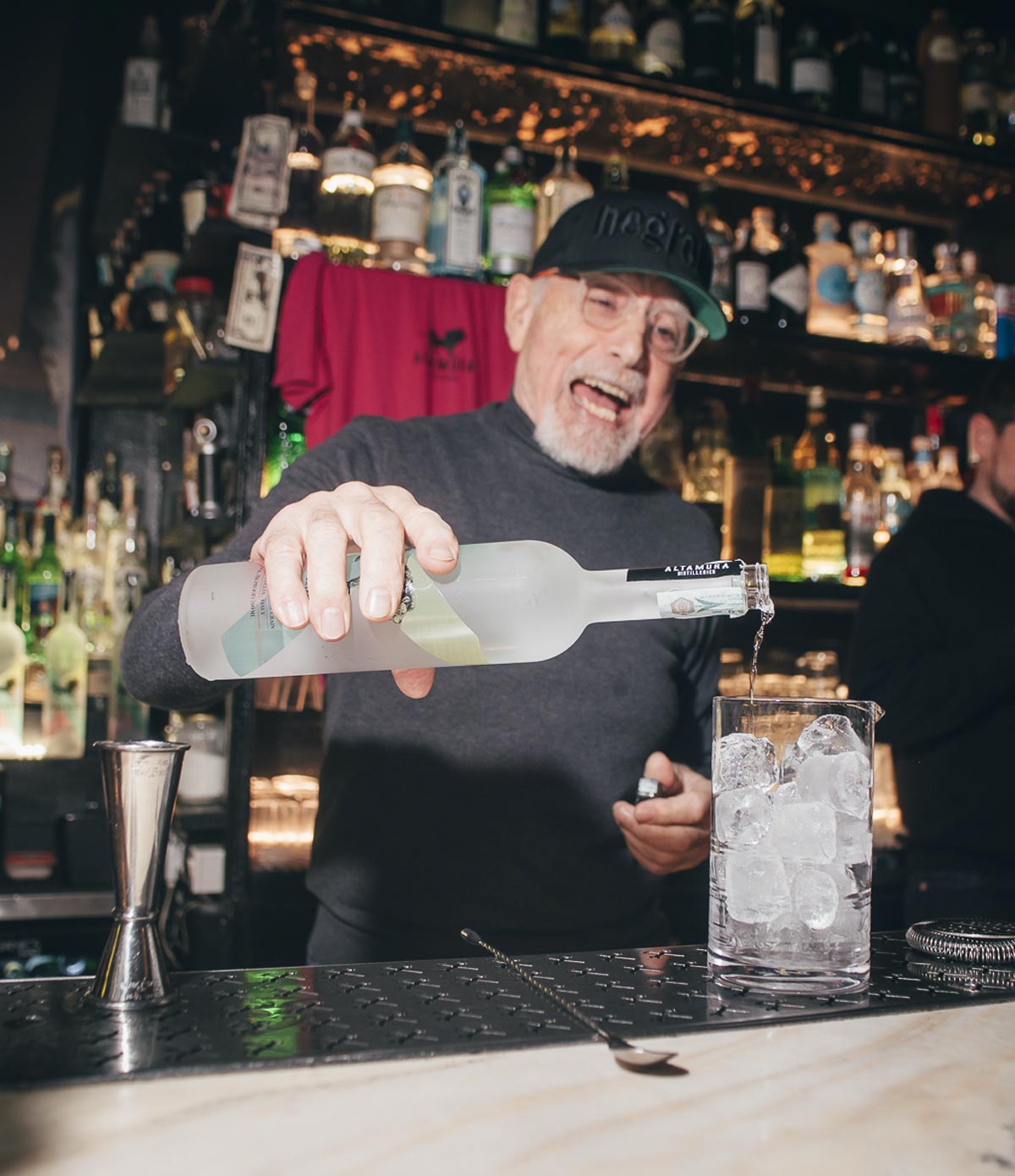
I came from a family of bankers in Italy, but I knew I did not want to be a banker. When I turned 18, I said ‘Get me out of here, I’m drowning! Let’s try England.’ My visa restricted me to working in a hotel or in hospitality, so in 1958 I became a resident handyman at a hotel in Cornwall owned by a married couple.
The husband who owned the hotel was responsible for running the bar, but he was very often drunk by 12:30 or 1:00. One day, he told me, ‘Peter, you go and take care of the bar.’ I said, ‘Me? I don’t know drinks. I hardly speak English! What do you want me to do?’ He said there were books in the bar I could look at and it would be no problem.
Within a half an hour a lovely lady came in carrying a poodle. She sat down and asked for a whiskey sour. I asked myself, ‘What the hell is a whiskey sour?’. Thankfully, at that moment, the woman made a funny noise, and when she put the dog down, she was wet. She asked me to watch her poodle while she went to change, which gave me time to look up the cocktail in the bar books! I made the whiskey sour, and it was rubbish. It was disgusting. But I tried again, added a little more sugar, adjusted a bit, and it wasn’t too bad. When the woman came back and tried it, she said it was the best whiskey sour of her life! And that was my first cocktail.
I had tried everything in the hotel, from kitchen porter to chambermaid to concierge to ironing curtains. The head chambermaid said I was the best bed maker! I learned all about banquets and restaurants. But as soon as I entered the bar, I said, ‘That’s me! I think I can have a decent life here, a wonderful life if I want to.’
How did you make your way from a little hotel in Cornwall to The American Bar at The Savoy?
When I got serious about bartending, I had to figure out how to learn the business. But how do you learn the business when there is no schooling for it? There was no bartending school back then. There were a few books, but they weren’t very good. I decided to go to a bar where I could learn and somebody with experience could teach me.
I went to the Savoy Hotel American Bar, and I talked to Joe Gilmore, the head bartender then. I said, ‘I love the bar, it’s going to be my future, and I want to learn.’ I don’t know why, but he told me to come back at 9:00 Monday morning. I’m the luckiest guy on this planet.
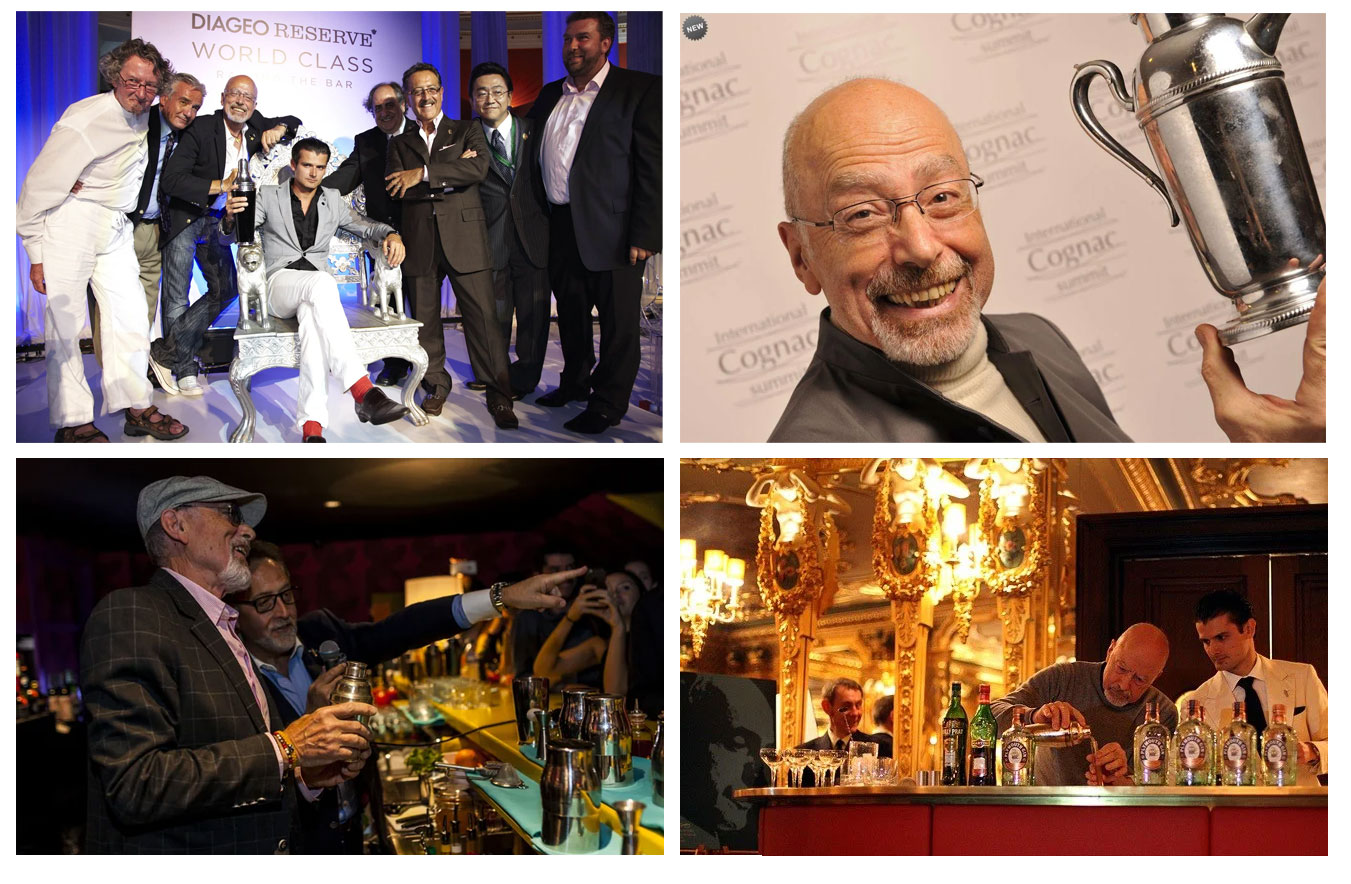
So, in 1964 I joined the Savoy Group where I ended up spending 39 years, 22 of which were in The American Bar. First, I worked with Joe for a couple of months as a sommelier at Stones Chop House (also owned by the Savoy Group). Then I was asked to open the new Pebble Bar at Stones as Head Barman with my brother and stayed there until 1981.
“This was the best time of my life.”
The Pebble Bar was close to Wardour Street, which is famous for the film industry. Our space was upstairs, so it became a bit of a hiding place for all sorts of famous people. Bars then used to open at 11:00, close at 3:00, then reopen at 5:30 until closing at 11:00.
How did you make your way from a little hotel in Cornwall to The American Bar at The Savoy?
When I got serious about bartending, I had to figure out how to learn the business. But how do you learn the business when there is no schooling for it? There was no bartending school back then. There were a few books, but they weren’t very good. I decided to go to a bar where I could learn and somebody with experience could teach me.
I went to the Savoy Hotel American Bar, and I talked to Joe Gilmore, the head bartender then. I said, ‘I love the bar, it’s going to be my future, and I want to learn.’ I don’t know why, but he told me to come back at 9:00 Monday morning. I’m the luckiest guy on this planet.
So, in 1964 I joined the Savoy Group where I ended up spending 39 years, 22 of which were in The American Bar. First, I worked with Joe for a couple of months as a sommelier at Stones Chop House (also owned by the Savoy Group). Then I was asked to open the new Pebble Bar at Stones as Head Barman with my brother and stayed there until 1981.
“This was the best time of my life.”
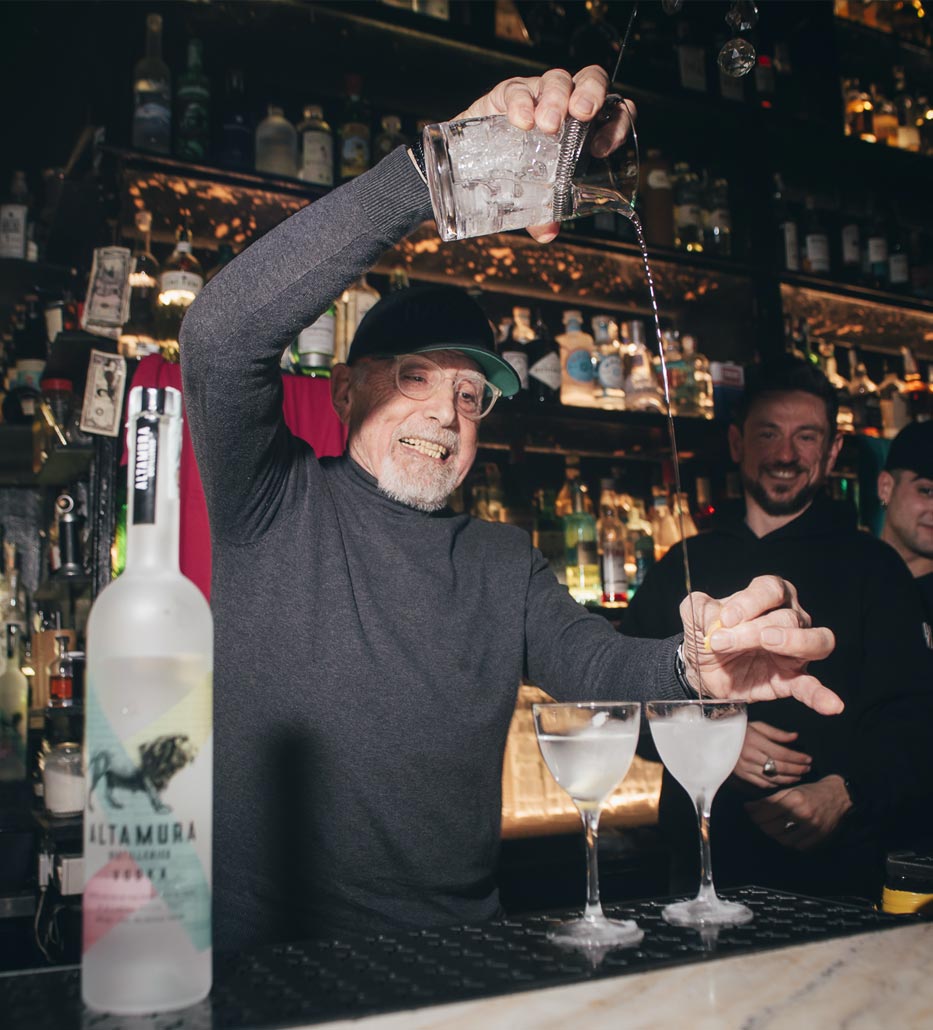
All the people in the West End would go to have a coffee and play cards while the bar was closed. I was able to close the door upstairs but serve the people still inside.
One day, Kenneth More came by and asked for a drink, so I told him to help himself. He asked, ‘Can I do that?’. Alec Guinness wanted a white wine spritzer, and I told him the same thing. I got the same response: ‘Can I do that?’. I answered, ‘Of course, I’ll show you.’ That started everything. They loved doing their own drinks, and they all kept coming back!
“When the company sold the Pebble Bar, I moved to The American Bar at The Savoy”
I started as Assistant Head Barman, and I became Head Barman/Bar Manager in 1984. I retired from the role in 2003 at age 63.
How did you make your mark at The Savoy?
As a hotel bar, The American Bar was a totally different world than a restaurant bar. You have to be classic, careful, and very knowledgeable. You cannot afford a complaint. Guys will spend a thousand pounds a night for a room. If you upset them, the general manager won’t like you at all! One of the things that made me successful as a bartender at the Pebble Bar and The American Bar was learning body language. It’s the most important thing in a bar. Everybody in hospitality should know it. It tells you everything you need to know before you even speak.
At The American Bar, people come in three steps above you. You have a clear view of the person. You can see if they are heavy-footed, hunched, or tense—this person probably had a busy, stressful day. The first thing would be to put them at ease and remove any decision making. I would seat them and offer a complementary glass of champagne to help them relax. If they were waiting for someone to join them to perhaps go to the theatre or celebrate a special occasion, I would suggest a bottle of champagne on ice. This is all from an awareness of body language.
I also taught everyone at The American Bar how to see and to capture an up-to-date vision of what was going on, rather than relying on memory alone. It was unconventional training. I would tell them to look around the bar carefully. They would look, and then I’d ask…
‘What’s on table 9?’
They would often respond there were menus on the table, but there were no menus because I had removed them! This sort of training taught all the bartenders to notice everything.
What advice do you have for bartenders who want to follow in your footsteps?
I advise using the Three Rs as a measure of success as a bartender: reorder, return, recommend.
Once your guest has a cocktail, does he reorder it? The British rarely ever complain about their drinks because they don’t want to upset you, but if a guest reorders the same thing, you can tell that they like it. Does your guest return? If he comes back, he likes the drinks and likes the atmosphere.
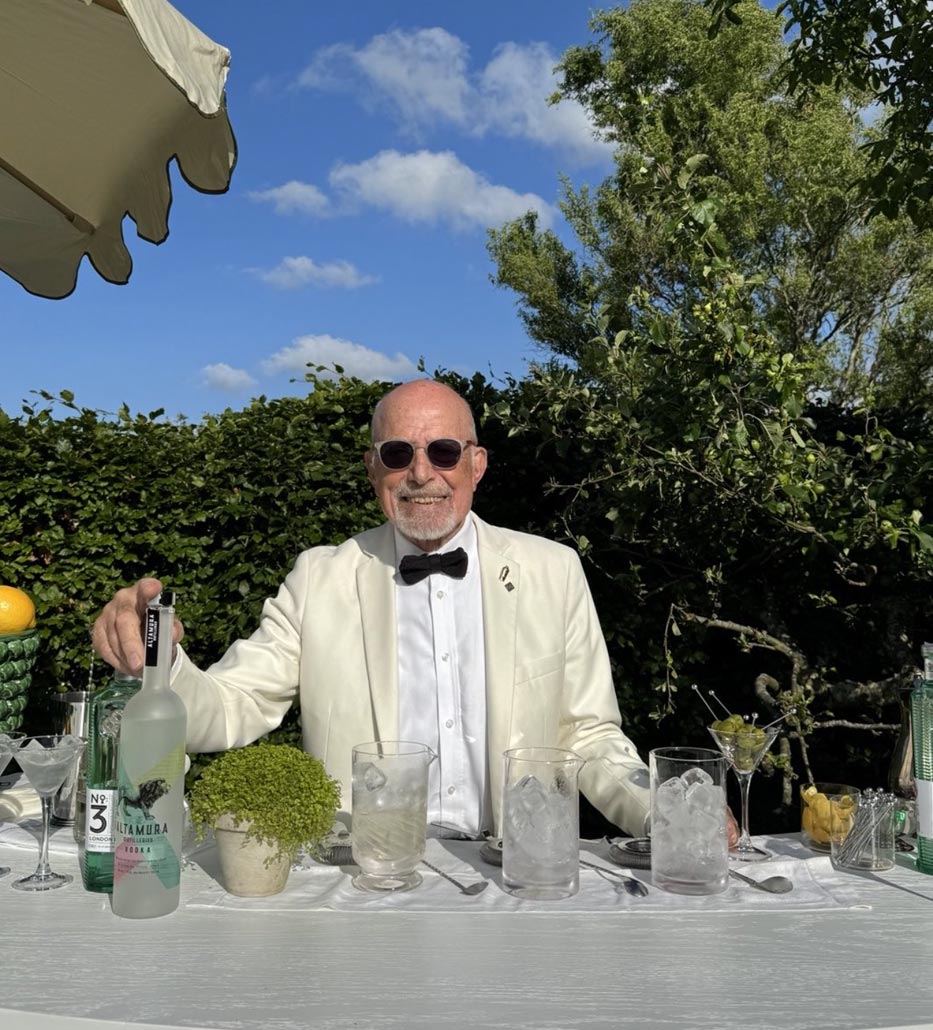
Maybe you created a wonderful moment that he loved. And most importantly, does your guest recommend you to his friends? Word of mouth is very powerful. The American Bar is an icon. It’s an institution. One of the most exciting things for me was when guests weren’t just recommending The American Bar, they were saying,
“Let’s go see Peter at The American Bar.”
Also, if you enjoy bartending, don’t look at it as a job. It has to be a lifestyle, and you must enjoy it with a passion so there is no waste of energy. Passion feeds the energy needed for creativity and your artistic skills. Remember always that the bar is a theatre.
Sometimes young people would come to me at The American Bar and say, ‘I’m looking for a job.’ I would tell them, ‘There’s the door.’ Why? Because bartending is not a job. Most days, you will spend 12 or more hours at work. If you look at these hours as a job, you will waste your life and your energy.
“You must truly love the work, or it is not the right career for you.”
Peter Dorelli

Nicole Bump
Nicole is a seasoned content strategist and writer with 15+ years of experience turning complex ideas into compelling stories. As founder of Bump Inbound, she helps brands connect with audiences through thoughtful strategy, sharp planning, and standout writing.
Get Inspired
Be the first to learn about our exclusive events and updates you’ll actually want to read.
Get Inspired
Be the first to learn about our exclusive events and updates you’ll actually want to read