


From the Ritz Paris to brunch bestie
You might be used to enjoying the mimosa cocktail with eggs benedict and a side of bacon, but the original mimosa wasn’t associated with bottomless pitchers. It began not as a hangover cure or midday indulgence, but as a quiet luxury, served in crystal flutes at one of the most glamorous hotels in the world. Behind its golden fizz lies a story of rivalry, reinvention, and even wartime espionage. Yes, espionage.
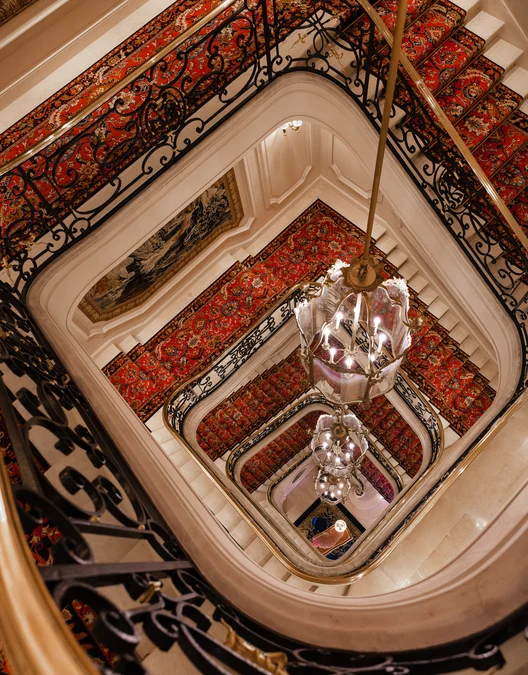
Who invented the mimosa?
The mimosa cocktail is widely believed to have been invented in 1925 at the Ritz Bar at the Ritz Hotel in Paris by Frank Meier, the hotel’s head bartender. But there’s been some debate.

Who invented the mimosa?
The mimosa cocktail is widely believed to have been invented in 1925 at the Ritz Bar at the Ritz Hotel in Paris by Frank Meier, the hotel’s head bartender. But there’s been some debate.
Mimosa history: Paris or London?
In the aftermath of World War I, Paris was a cultural and social epicenter. Artists, writers, aristocrats, and the newly wealthy mingled in salons and luxury hotels, especially the Ritz. Enter Frank Meier, the Austrian-born bartender who helmed the hotel’s bar from the 1920s through World War II. He was known for his meticulous cocktails, as well as his discretion serving celebrities, spies, and royals—like Ernest Hemingway, Coco Chanel, and F. Scott Fitzgerald.
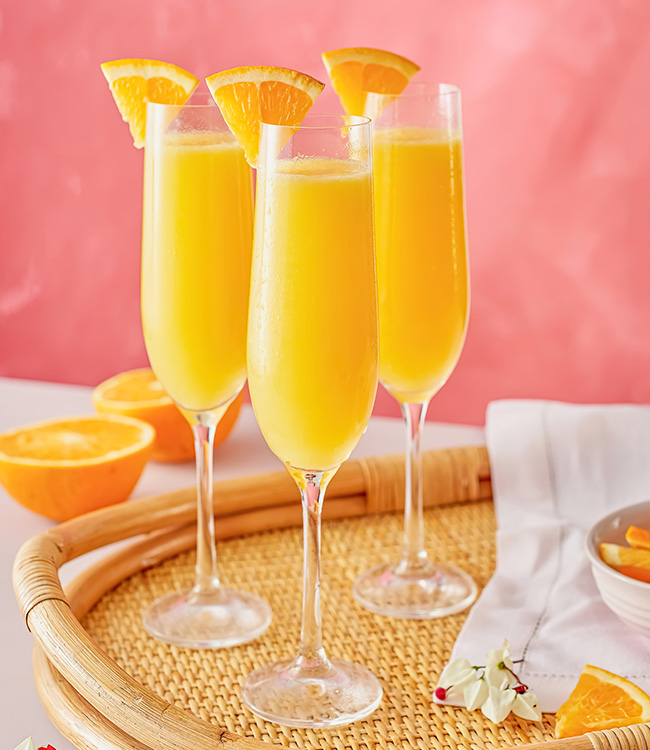
As the story goes, bartender Malachi “Pat” McGarry of London’s Buck’s Club created a drink similar to the mimosa in 1921 and called it the Buck’s Fizz. McGarry’s cocktail used more champagne than orange juice and sometimes included a dash of grenadine or a splash of orange liqueur (like Grand Marnier or curaçao).
While the Buck’s Fizz may have been a precursor, the mimosa as we know it today likely owes its popularity to Meier’s 1925 refinement at the Ritz. Meier created a lighter, more simplified version of the cocktail with equalized parts champagne and orange juice—ideal for a languid hotel breakfast or other daytime indulgence.
Our favorite mimosa variations
There are endless ways to elevate classic mimosas using various fruit juices and spirits. Some of the most popular mimosa flavors include:
-
Strawberry mimosa
Like summer in a glass, this is the playful cousin to the original mimosa. Blend fresh strawberries with orange juice before assembling. Strain as desired. Garnish with fresh fruit, such as a whole strawberry or an orange slice.
-
Peach mimosa
To achieve the elegance of a Bellini but the citrus sparkle of orange juice, try a peach mimosa. Whisk peach nectar with the orange juice before assembling. Garnish with a slice of fresh peach.
-
Cranberry mimosa
For a tart yet festive version of the original mimosa that’s perfect for the winter holidays, replace the orange juice with cranberry juice. Garnish with fresh cranberries and a sprig of rosemary.
The mimosa cocktail recipe
The most basic mimosa recipe is equal parts champagne (or another dry sparkling wine—or even a high-quality Prosecco) and orange juice. If you’re hosting a brunch or serving a group, this recipe serves eight.
Ingredients:
- 1 bottle (750 ml) champagne (or prosecco)
- 3 cups orange juice
Directions
- Chill champagne flutes.
- Fill each glass half full with champagne.
- Top with orange juice.
Fun fact about the mimosa cocktail
Meier wasn’t just a bartender—he was also part of the French Resistance during World War II. He used his bar at the Ritz to gather intelligence from German officers and pass it along to the Allies. So, while sipping a mimosa today may just be a fun excuse to imbibe on a Sunday morning, its creator had a complex legacy of both hospitality and heroism.

Nicole Bump
Nicole is a seasoned content strategist and writer with 15+ years of experience turning complex ideas into compelling stories. As founder of Bump Inbound, she helps brands connect with audiences through thoughtful strategy, sharp planning, and standout writing.