


Meaning, history & cocktail recipe
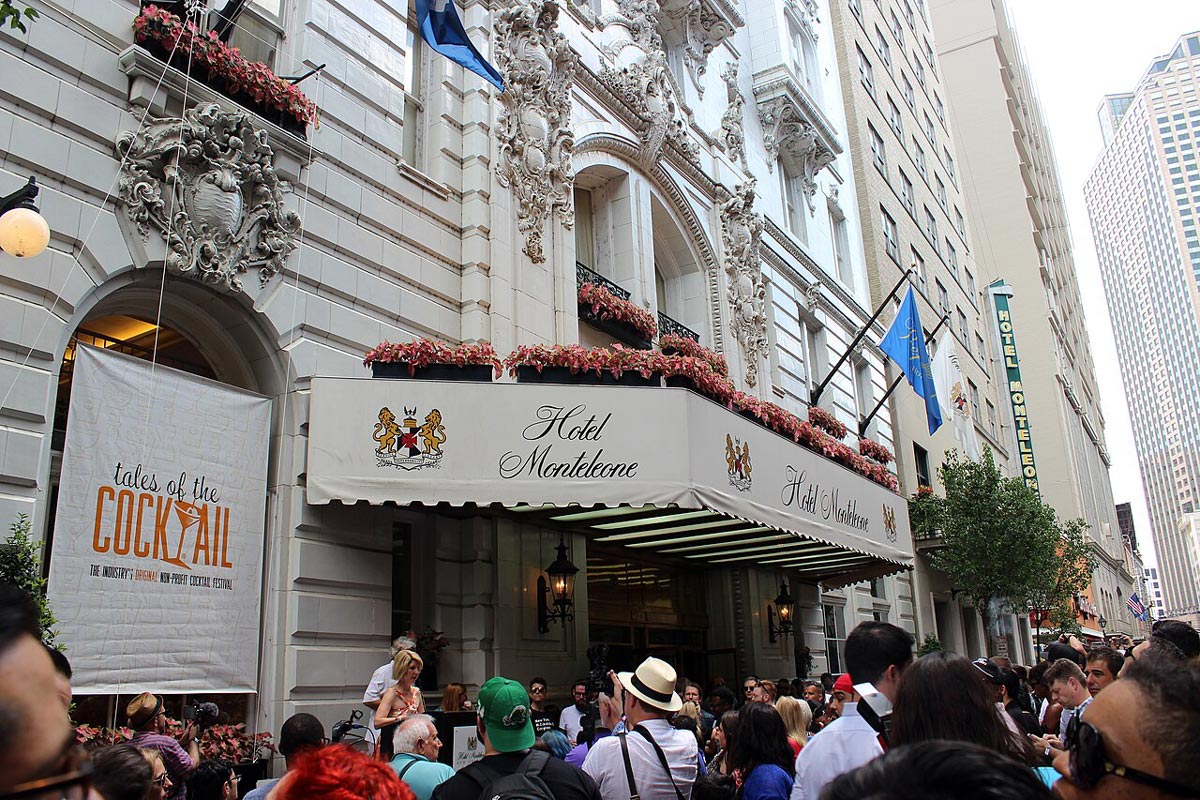
New Orleans’ Hotel Monteleone is famous for its revolving Carousel Bar. History also remembers the Monteleone for its Swan Room. This swanky supper club headlined the likes of Liberace and Andy Griffith. But before either of these venues existed, the Hotel Monteleone’s bar was already a hub of New Orleans cocktail culture—a more intimate, old-world lounge than the lively, spectacle-driven establishments that would follow.
And this is where the Vieux Carré cocktail was born.
Vieux Carré cocktail history
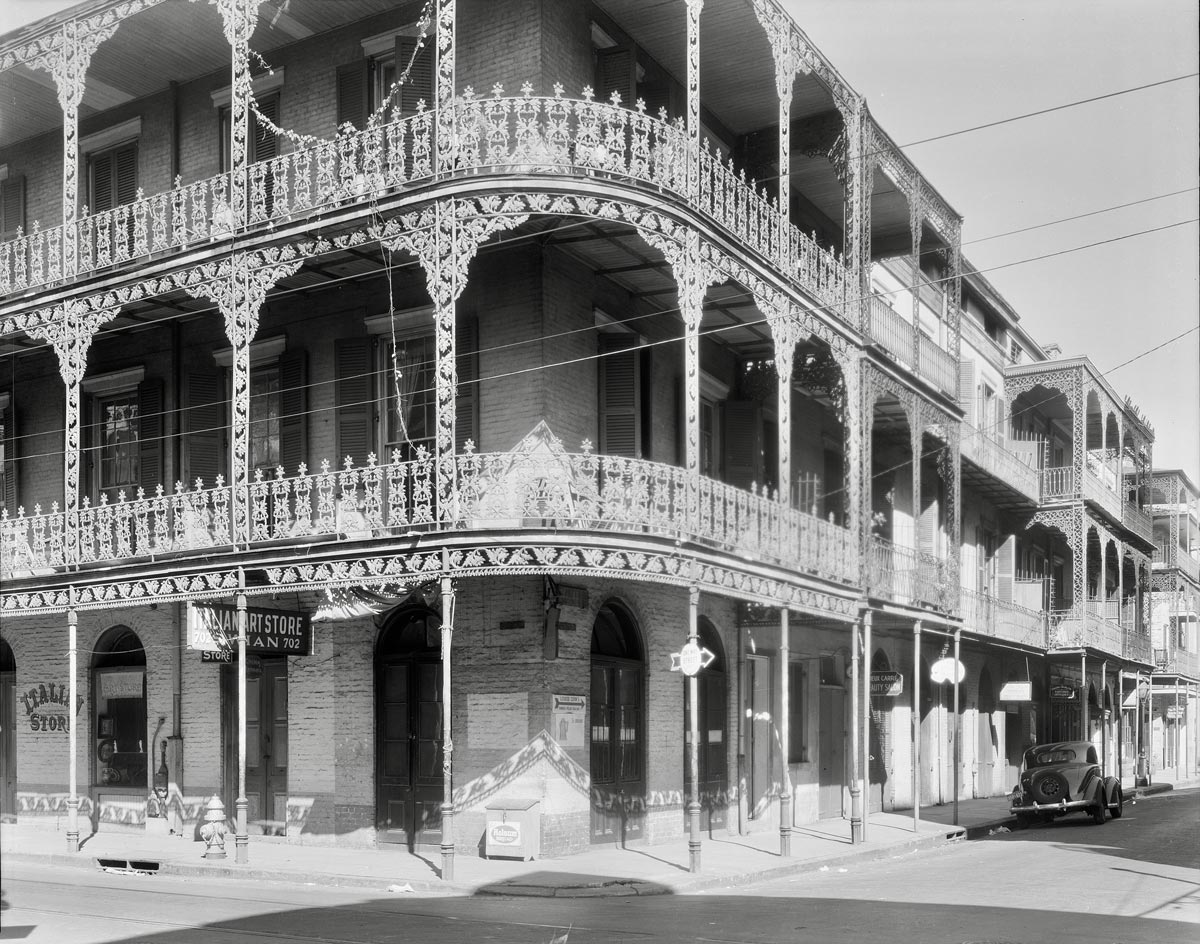
Picture narrow streets lined with wrought-iron balconies, hidden courtyards, and centuries-old Creole townhouses. Brass bands and piano riffs spill out of clubs at all hours. Artists, writers, and musicians of numerous nationalities abound, drawn by cheap rents and the area’s lively character. This was New Orleans’ French Quarter in the 1930s—and Walter Bergeron, head bartender at Hotel Monteleone, created the Vieux Carré cocktail to capture its essence. Bergeron sought to represent the diverse cultural groups that made up the city’s historic French Quarter at the time.
In mixing his invention, he used rye whiskey to represent Americans, cognac and Bénédictine to represent the French, sweet Vermouth for the Italians, and bitters the Caribbean community. Bergeron named the cocktail for the French Quarter, too. In French, ‘Vieux Carré’ means ‘Old Square’—another name for the original heart of New Orleans.
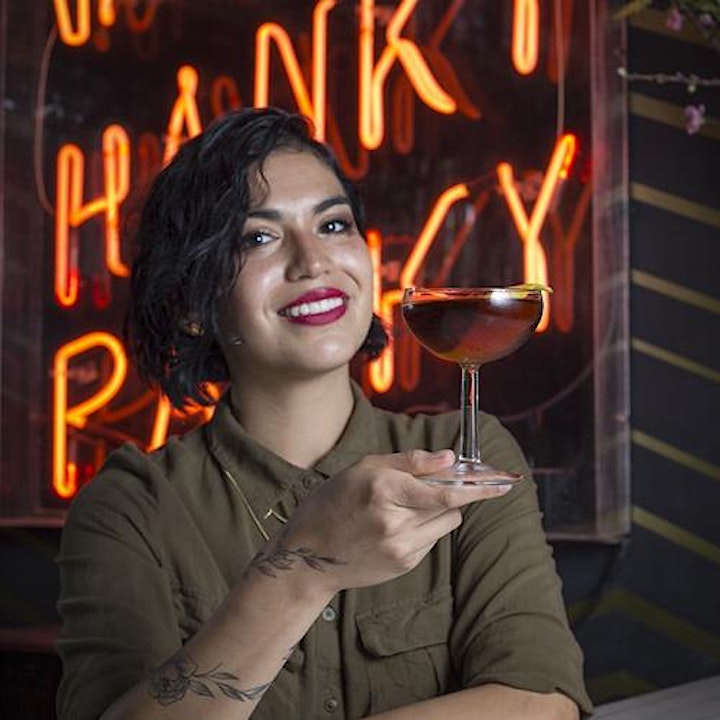
During her tenure at the American Bar, Coleman mentored her successor Harry Craddock, who later authored the legendary Savoy Cocktail Book. While Craddock is often remembered as the cocktail authority, it’s Coleman’s legacy that laid the foundation for the modern classic hotel bar.
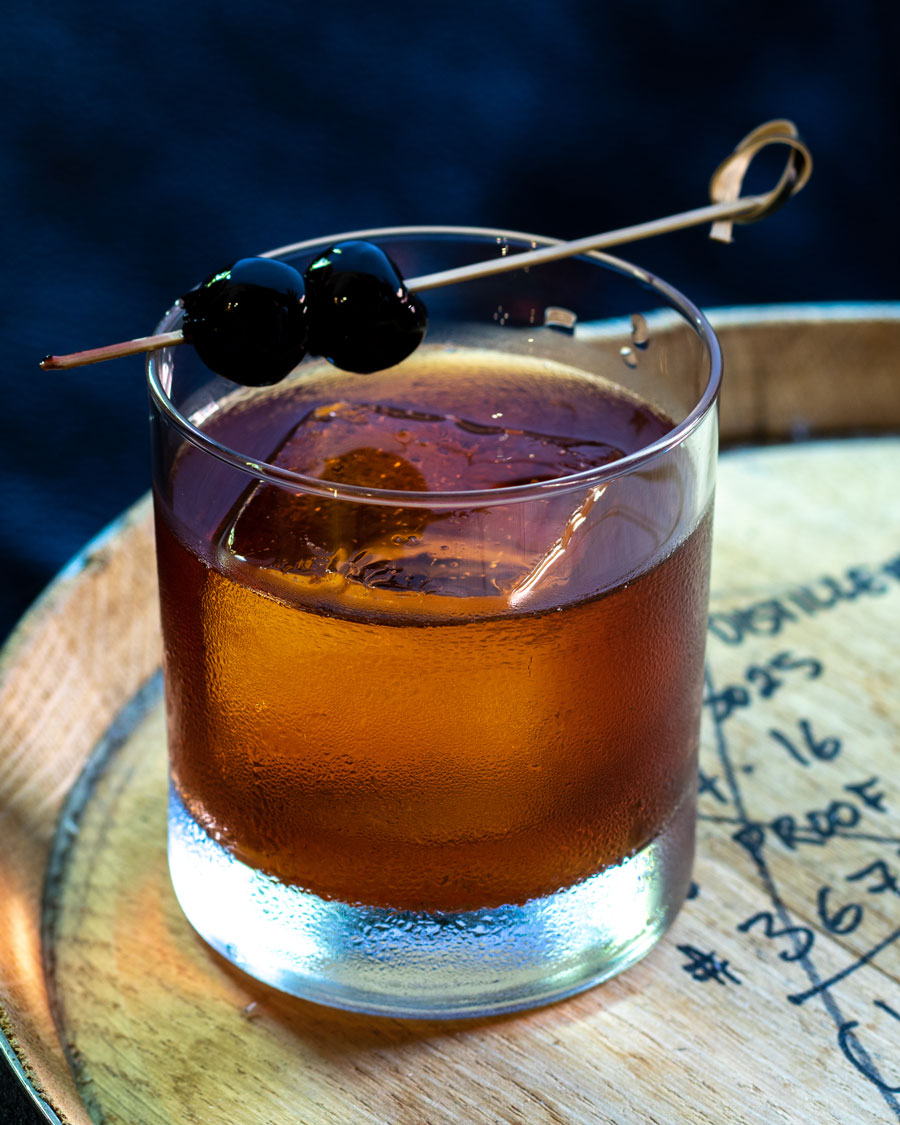
Vieux Carré recipe
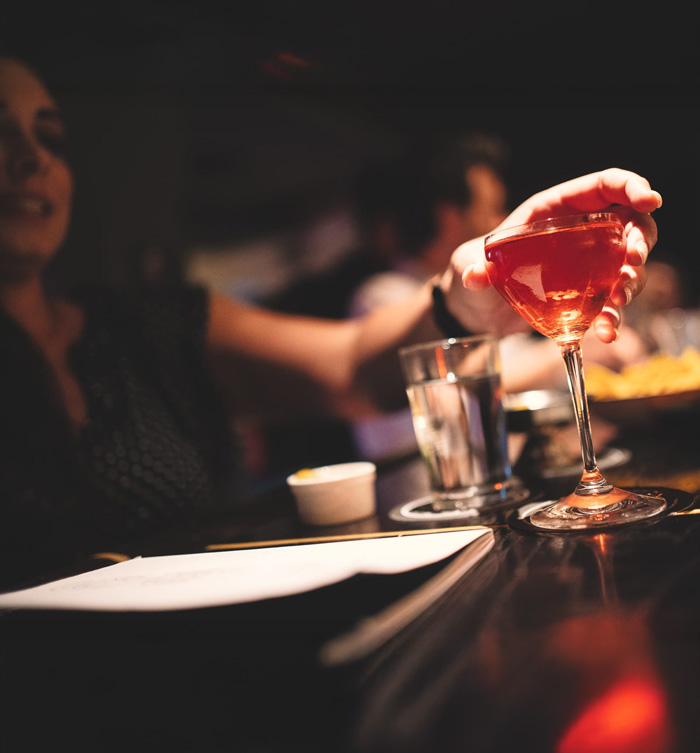
Bergeron’s recipe, a close cousin to the Manhattan, was first published in the 1937 book Famous New Orleans Drinks and How to Mix ‘Em by Stanley Clisby Arthur.
Ingredients:
- .75 oz Rémy Martin V.S.O.P. cognac
- .75 oz Strucchi Rosso vermouth (sweet vermouth)
- .33 oz Bénédictine
- 2 dashes Peychaud’s bitters
- 1 dash Angostura bitters
- Lemon twist (for garnish)
- Pineapple slice and cherry (optional garnish)
Directions
- Fill a mixing glass with ice.
- Add the bitters, rye, cognac, sweet vermouth, and Bénédictine.
- Stir until the mixture is well-chilled.
- Twist a slice of lemon peel over the drink to express its oils.
- Strain into a chilled glass.
- Garnish with a slice of pineapple and a cherry.
Tips for mixing the perfect Vieux Carré
Balance is everything with this cocktail. It’s rich, layered, and complex, but if one ingredient dominates, the whole beverage tips out of harmony.
-
1. Choose the right rye.
Go for a bold, spicy rye (like Sazerac, Rittenhouse, or Wild Turkey 101). You need something assertive enough to stand up to the sweetness of vermouth and Bénédictine.
-
2. Less is more on the Bénédictine.
It’s potent and sweet. A bar spoon is enough to give the drink complexity without overwhelming.
-
3. Bitters in balance.
Both Peychaud’s and Angostura are essential. One without the other throws the cocktail off. Peychaud’s gives brightness, while Angostura gives grounding spice.
Wondering how to pronounce ‘Vieux Carré’?
Vieux Carré is pronounced view kah-RAY. In New Orleans, you’ll sometimes hear locals with more of a Creole accent flatten it to voo kah-RAY. Both are understood, but if you want to sound closer to the French, go with the former.
Wondering how to pronounce ‘Vieux Carré’?
Vieux Carré is pronounced view kah-RAY. In New Orleans, you’ll sometimes hear locals with more of a Creole accent flatten it to voo kah-RAY. Both are understood, but if you want to sound closer to the French, go with the former.

Nicole Bump
Nicole is a seasoned content strategist and writer with 15+ years of experience turning complex ideas into compelling stories. As founder of Bump Inbound, she helps brands connect with audiences through thoughtful strategy, sharp planning, and standout writing.