


What Aspiring Bartenders Can Learn from The Maestro
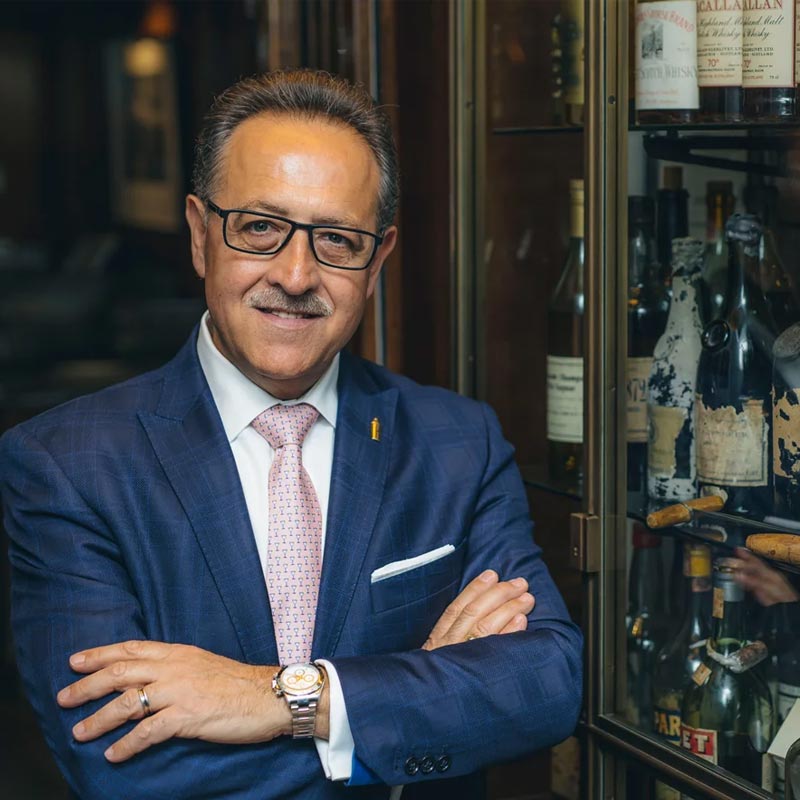
If you dream of leaving your mark behind the bar, there’s no better mentor than Salvatore Calabrese. Known around the world as The Maestro, Calabrese is more than just a master mixologist—he’s a true craftsman of hospitality. In our interview, The Maestro shares lessons, stories, and philosophies that shaped his journey, offering advice and inspiration for becoming a master of your own bartending career.
How did your early experiences in a hotel bar shape your career in hospitality?
As a young boy, I worked in a charming, little bar in our area called Hotel Reginna on my summer holidays. This is where I encountered my very first mentor, Signor Raffaello, who really showed me the way. I learned from him that if you look after your home and you care for the people who come to your home, they will feel good and they will enjoy visiting. The same goes for the place you work. I also learned to be highly particular. I’ve always been quite eccentric, doing things in particular ways. One of my first duties at Hotel Reginna, when I was 11 years old, was to slice bread for breakfast for the restaurant—and each slice had to be the same. I was so particular that I even developed a mold to make sure each slice was the perfect width. From an early age, I learned to be very fussy. There are things you must do in your work, so you might as well do them properly.
Can you give an example of how you’ve looked after the people in your home, your bars?
The well-known story of the DUKES Martini, which I created in 1985, is a great example. A particular guest stayed at the hotel for a week, and each day, he would come to the bar, asking for a martini that was very dry and very cold. Of course, the challenge was that I could make it colder by stirring it more, but that would cause dilution. He would say, “Yes, this is cold enough, but it’s not dry enough.” He was a two-martini man, so I would stir his second a bit less, and he would say…
“Yes, this is dry enough, but it’s not cold enough”
Can you give an example of how you’ve looked after the people in your home, your bars?
The well-known story of the DUKES Martini, which I created in 1985, is a great example. A particular guest stayed at the hotel for a week, and each day, he would come to the bar, asking for a martini that was very dry and very cold. Of course, the challenge was that I could make it colder by stirring it more, but that would cause dilution. He would say, “Yes, this is cold enough, but it’s not dry enough.” He was a two-martini man, so I would stir his second a bit less, and he would say…
“Yes, this is dry enough, but it’s not cold enough”
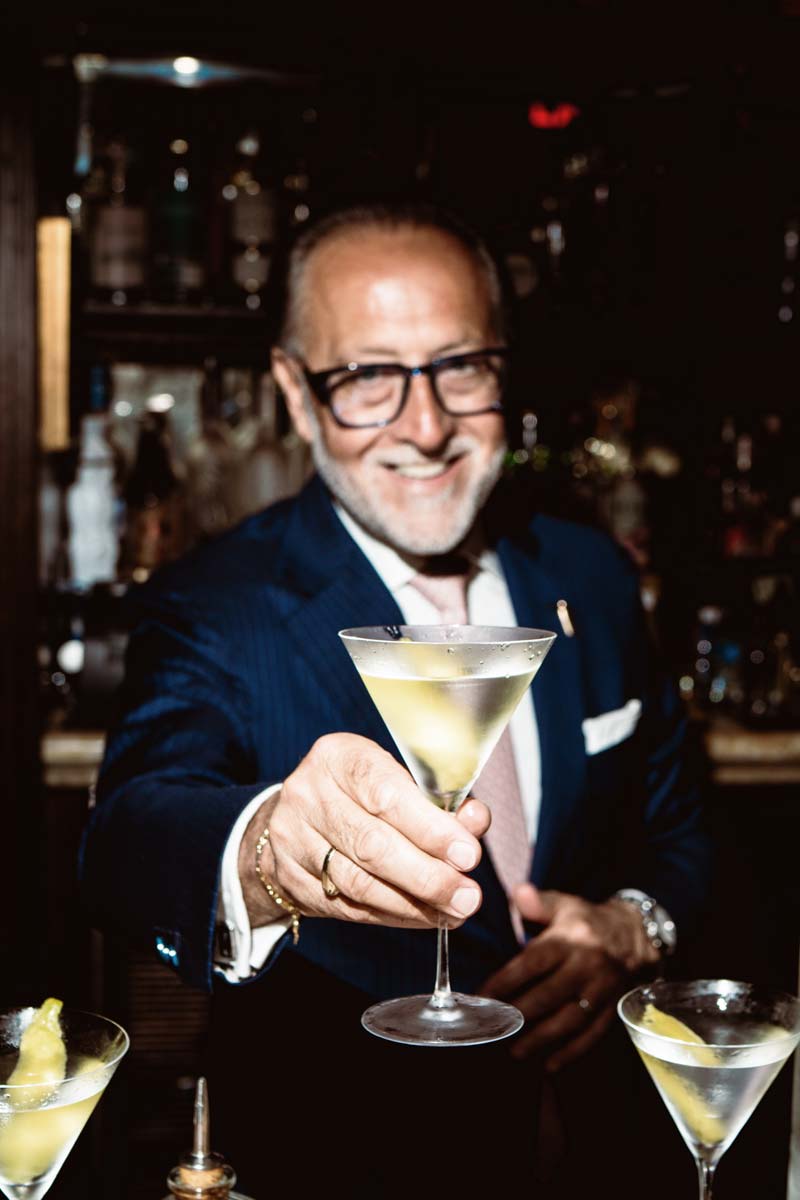
This went on for three days and was turning into my own little nightmare. If you care about what you do, then your task is always to fulfill the expectation of the person that is in front of you. Eventually, it occurred to me to put a bottle of gin and two glasses in the freezer. And when my guest returned on the fifth day, I took the gin and a glass from the freezer. Don’t ask me why, but I chose to pour it directly in the glass and lay the vermouth on top with a dash bottle. He finished the drink without complaint and ordered another. He took one sip, and left the bar.

A few hours later, he came back down and introduced himself as Stanton Delaplane, a famous journalist. He said, “Salvatore, I enjoyed your martini so much that I wrote a little article about it.” And the article said, “If you ever go to London, you must make a stop at the DUKES Bar, where Salvatore will make you the best martini on the planet. This martini really brought me to the world stage because everybody started to come to the DUKES to have this unique martini. If I hadn’t cared, if I didn’t figure out how to fulfill the expectation of this person, maybe I wouldn’t be here talking to you.
You’re also famous for creating the Breakfast Martini.
What inspired this cocktail?
In those days, I finished work later and later, and every morning, my wife would say to me, “Why don’t you have some breakfast, it will give you energy.” But every morning, I refused. One particular morning, I must have looked worse than ever, and she presented me with some toast with marmalade, commanding me to eat it. Now we all know, if you’re a smart man, you obey your wife. And while I had tasted marmalade before, 1996 was the golden age of cocktail making, and the taste was playing on my tongue. I used to play with all kinds of different things to elevate the cocktail experience, from using better spirits to playing with flavors like balsamic vinegar, truffle, garlic. In that moment, when my wife gave me the toast, I noticed the marmalade—it was quite bitter and tangy with a hint of sweetness. I kidnapped the marmalade, and I took it to work, daydreaming about what I should use with this marmalade to make a cocktail.
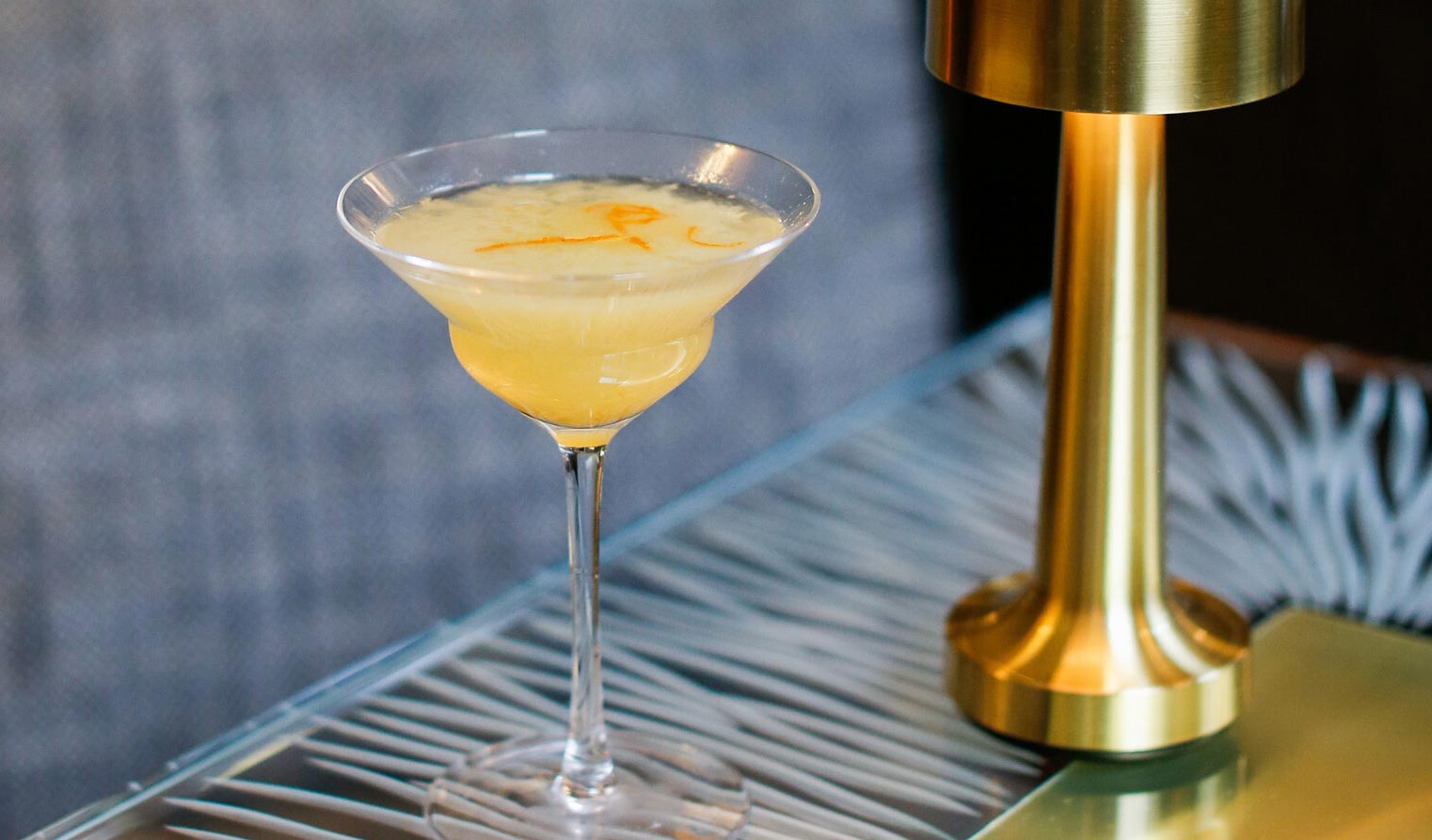
Obviously, orange marmalade is quite an English thing, so it had to be an English heritage. I chose gin. Then I wanted a bit of sweetness, but not sweetness from a gum syrup—something more refined, like Cointreau, was the perfect combination. Finally, a hint of citrus with the teaspoon of marmalade. By the time I arrived at work, my cocktail was already created. But what was more clever was the name: Breakfast Martini. People are intrigued when they see it on the menu. But I got in trouble with my wife the next day because the marmalade wasn’t there for her usual breakfast.
How can aspiring bartenders today go about being different when so much has been done already?
Everything has been done already. What makes the difference is the way you do it. For example, I’m sure plenty of my predecessors have had the idea to sell very old spirits, but I sell them differently. I associate the vintage with specific historical events, which also came about at DUKES.

DUKES was a very small bar—just a tiny room with six tables—where I could not generate much revenue through quantity. If I wanted to make more money, I needed to create quality. I thought, “Well, I have all this history around me. How can we be part of history?” We can see history, we can touch it, we can feel it, we can read it. But one thing no one really thought about was tasting history, which gave me the idea to develop and sell Liquid History.
You are not just buying a cognac from 1812, you are buying a cognac from the time Tchaikovsky composed his 1812 Overture. From the time the British set fire to Washington, D.C. From the time Napoleon was retreating from Moscow. I became the crazy Italian guy who sells Liquid History—and I took that little bar from £400 or £500 a week, up to £10,000 a table. There is always a way to be different.
There’s a lot of pressure today to stand out—flair bartending, crazy garnishes, social media. What actually matters if you want to be great?
If you want to be great in this field, don’t just think about mixology. Making a great drink is an art, but many people can learn it. What truly made me is the art of hospitality. Your job is to make your guests feel at home. Stevie Wonder came to my bar quite a few times, for example, and I started to understand his palate—he loved a bubble with something sweet. I created a champagne cocktail for him and called it the Champagne Wonder. He enjoyed it so much that he had several. Another time, I had my pianist playing the piano in my bar, and I noticed that Steve was rocking his head listening to the music. I asked him if he would like to play, and he said, “Yes, I would love to!” So, he stood up, and I took him to the piano, and he started to play—for over half an hour. He was enjoying himself. He was at home.
“When you master both mixology and hospitality together, you can call yourself a great bartender”

Nicole Bump
Nicole is a seasoned content strategist and writer with 15+ years of experience turning complex ideas into compelling stories. As founder of Bump Inbound, she helps brands connect with audiences through thoughtful strategy, sharp planning, and standout writing.