


Bar Hemingway:
History, myth and the making of a legend
Ernest Hemingway’s name, spirit, and stories are stitched into every corner of this eponymous bar. To understand why, you have to trace the evolution of the Hotel Ritz Paris’s bars—through reinvention, wartime drama, and the vision of one of the greatest bartenders of our time.
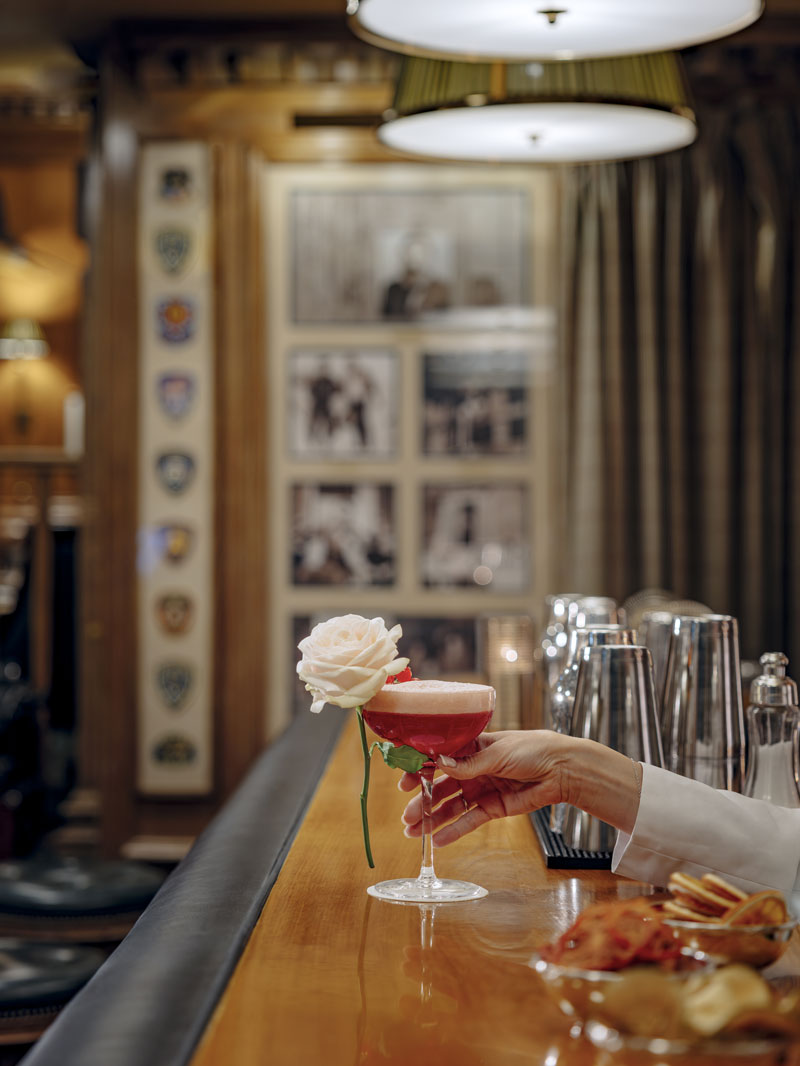
Bar Hemingway history: The origin
The Ritz Paris opened its doors in 1898, instantly setting a new standard for luxury hospitality. The hotel added the Le Café Parisien bar in 1921, but per social norms of the era, women weren’t welcome.
Instead, César Ritz created a ladies bar at the Ritz, just off the main lounge—a daring innovation at the time—to accommodate women while their husbands drank across the hall. Drinks here were often adorned with roses or orchids, a flourish meant to appeal to its fashionable female clientele.
About fifteen years later, the mood shifted. In 1936, as social rules loosened, the Ritz Hotel reinvented this waiting room as Le Petit Bar. No longer off-limits, it welcomed both men and women into its intimate space.
Ernest Hemingway became a regular, using the bar both as a place to drink and as a perch for writing. He was known to stretch tabs beyond his means, often relying on friends like F. Scott Fitzgerald and his wife Zelda to cover the bill.
Bertin’s Bar
As Le Petit Bar found its stride in the 1930s, it became defined not just by its guests but by its barman: Bernard Azimont (affectionately known as Bertin). Charismatic and attentive, Bertin tended the Ritz bar for an astonishing 48 years. His warmth made the snug bar a home for regulars, to the point that it was widely known simply as Bertin’s Bar.
Guests came not only for cocktails but for Bertin himself—a bartender whose personality was as essential to the room as its wood-paneled walls.
Bertin’s tenure stretched through decades of social change, from the glamorous prewar years to the darker days of the occupation. When he finally retired in 1974, an era ended with him, and the bar’s energy drained away.
By 1979, in a last-ditch attempt to revive business, the Ritz rebranded its Le Petit Bar as Bar Hemingway with the blessing of the Hemingway family. Unfortunately, it didn’t take. By 1982, the bar was shuttered.
Colin Peter Field revives Bar Hemingway
The revival came in 1994, when the Ritz entrusted a young Englishman named Colin Field, bartender, to reopen the forgotten room. Starting with just four tables, Field reinvented Bar Hemingway as something entirely new: a jewel box of a bar that blended high craft with warm conversation.
Demand quickly grew, and by 1997 the bar expanded into the neighboring concierge quarters, today holding nine tables and just 35 seats.
Field didn’t just put Bar Hemingway back on the map; he made it a global destination. Named “Best Head Bartender in the World” by the likes of Forbes and Travel & Leisure, he attracted celebrities, diplomats, and aspiring bartenders alike.
“People are my total influence. It’s not about the cocktail—it’s about the person.”
Colin Peter Field, Former Head Bartender
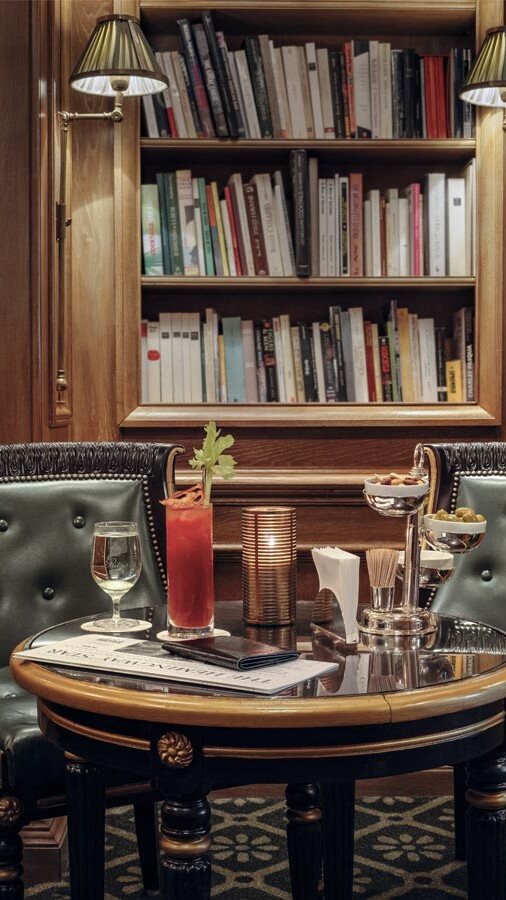
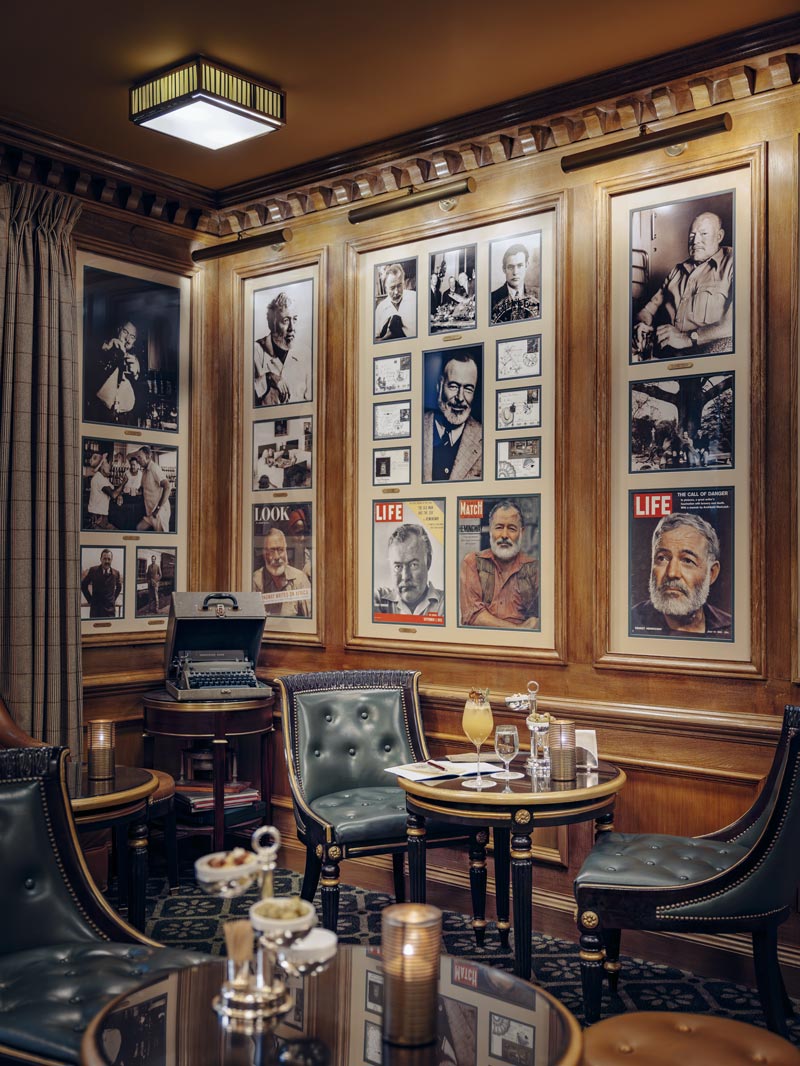
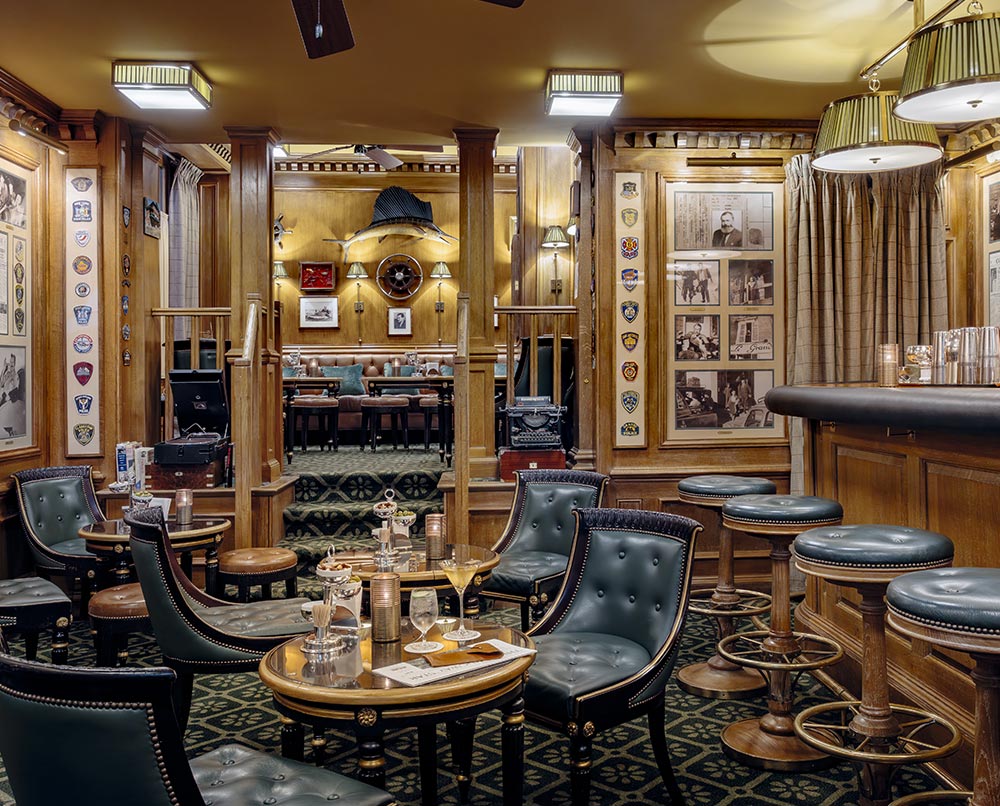
Field is also responsible for much of the ambiance at the Hemingway Bar. While many visitors assume the myriad historical items adorning the space belonged to Hemingway, most came from Field’s personal collection—including fishing rods and reels, a World War I biplane propeller, as well as photographs, letters, and memorabilia tied to Hemingway. Kate Moss even donated a vintage typewriter in homage to Hemingway.
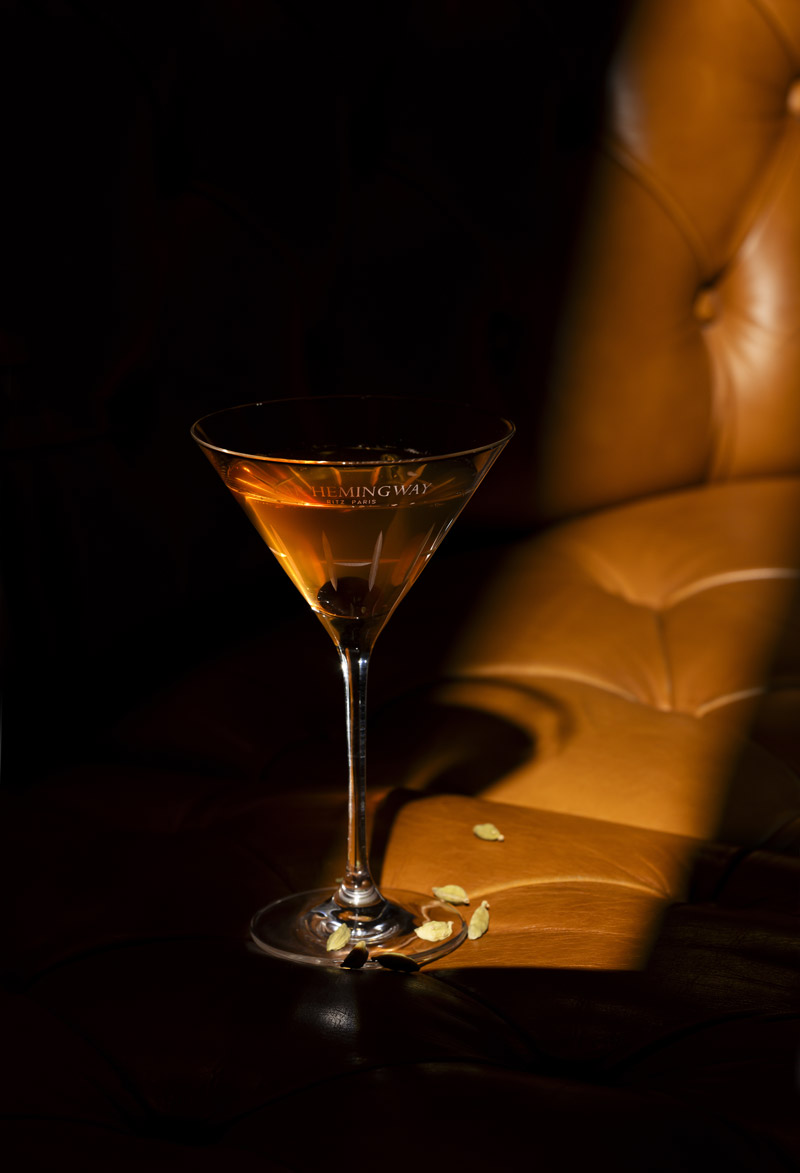
Bar Hemingway’s storied cocktails
Field’s two most famous creations became synonymous with Bar Hemingway.
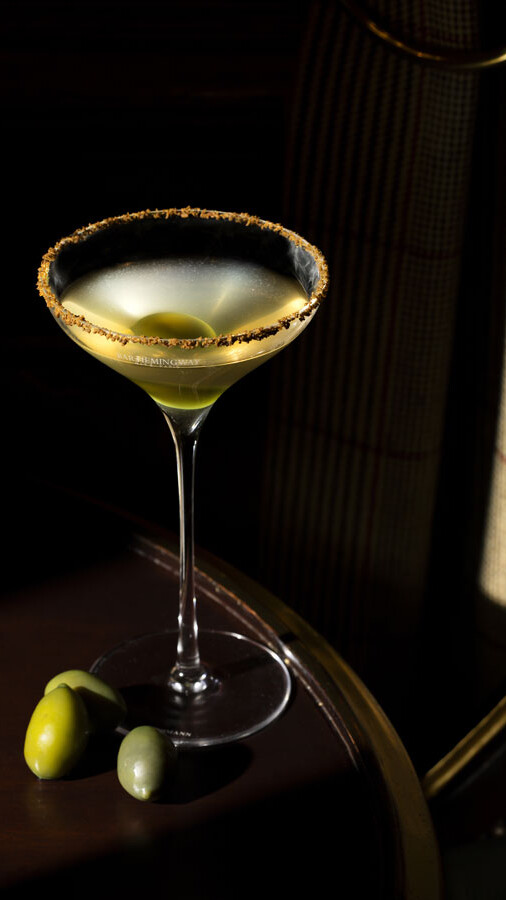
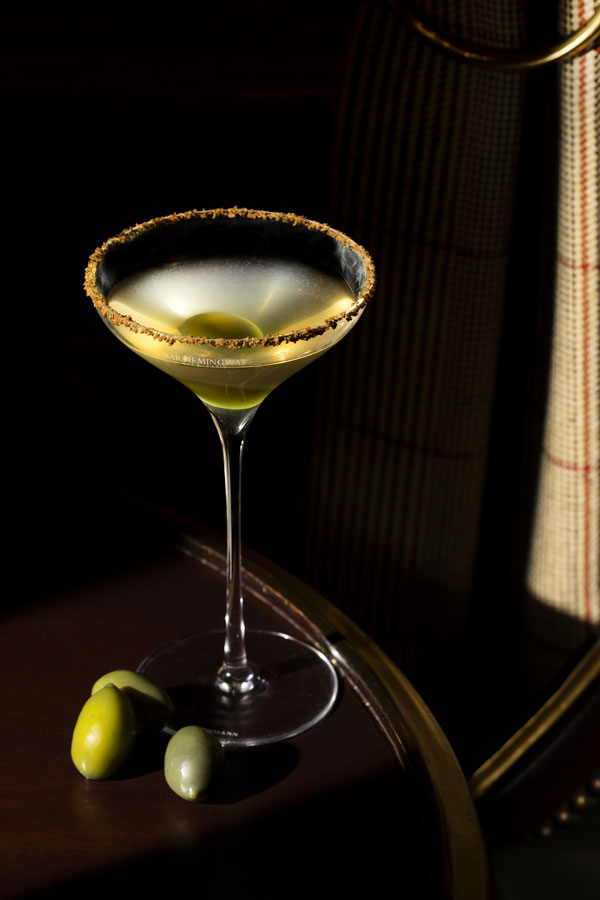
The Clean Dirty Martini, served at –24°C in custom-designed crystal, tastes intensely of picoline olives, thanks to an ice cube made of olive juice. The exact recipe, however, remains a closely guarded secret. “How I make it, I’m not telling,” Field once teased. “It’s a secret”.
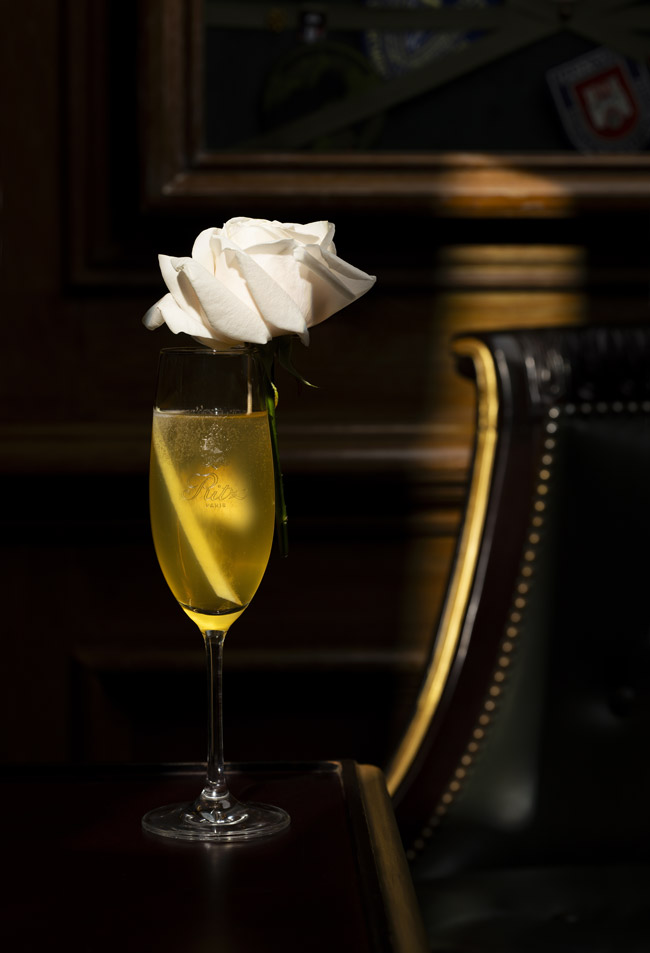
Field’s personal favorite, however, is the Serendipity, a refreshing mix of Calvados, fresh mint, apple juice, and Champagne.
“My desert island cocktail would be the Serendipity… probably my all-round favorite.”
Colin Peter Field
Former Head Bartender
A legacy passed on
When the Ritz underwent a $400 million renovation in the 2010s, Bar Hemingway alone remained untouched, its charm too sacred to disturb.
What bartenders can take away
Bar Hemingway is a lesson in intimacy, storytelling, and service. Its reputation isn’t built on square footage or showmanship, but on the way a bartender can make a room—no matter how small—feel like the center of the world.
As Field explained: “I want you to go out of the bar and say, I just had a good time. That’s really what we’re doing.”
Bar Hemingway’s history shows that legends aren’t inherited; they’re made behind the bar, one guest and one glass at a time.
History, myth and the making of a legend
Ernest Hemingway’s name, spirit, and stories are stitched into every corner of this eponymous bar. To understand why, you have to trace the evolution of the Hotel Ritz Paris’s bars—through reinvention, wartime drama, and the vision of one of the greatest bartenders of our time.
Bar Hemingway history: The origin
The Ritz Paris opened its doors in 1898, instantly setting a new standard for luxury hospitality. The hotel added the Le Café Parisien bar in 1921, but per social norms of the era, women weren’t welcome.
Instead, César Ritz created a ladies bar at the Ritz, just off the main lounge—a daring innovation at the time—to accommodate women while their husbands drank across the hall. Drinks here were often adorned with roses or orchids, a flourish meant to appeal to its fashionable female clientele.
About fifteen years later, the mood shifted. In 1936, as social rules loosened, the Ritz Hotel reinvented this waiting room as Le Petit Bar. No longer off-limits, it welcomed both men and women into its intimate space.
Ernest Hemingway became a regular, using the bar both as a place to drink and as a perch for writing. He was known to stretch tabs beyond his means, often relying on friends like F. Scott Fitzgerald and his wife Zelda to cover the bill.
Hemingway’s “liberation” of the Ritz
The Ritz fell under Nazi control during World War II, and its bars became watering holes for German officers. Legend has it that as Paris was liberated in 1944, Hemingway—then a war correspondent—drove up to the Ritz in a jeep mounted with a machine gun. He burst into the hotel and declared he was there to liberate the Ritz. Upon learning the Germans had already fled, he promptly ordered 51 dry martinis for himself and the men with him.
The image of Hemingway famously “liberating” the bar is one of hospitality’s most enduring tales (even if parts of it may veer into myth).
Bertin’s Bar
As Le Petit Bar found its stride in the 1930s, it became defined not just by its guests but by its barman: Bernard Azimont (affectionately known as Bertin). Charismatic and attentive, Bertin tended the Ritz bar for an astonishing 48 years. His warmth made the snug bar a home for regulars, to the point that it was widely known simply as Bertin’s Bar.
Guests came not only for cocktails but for Bertin himself—a bartender whose personality was as essential to the room as its wood-paneled walls.
Bertin’s tenure stretched through decades of social change, from the glamorous prewar years to the darker days of the occupation. When he finally retired in 1974, an era ended with him, and the bar’s energy drained away.
By 1979, in a last-ditch attempt to revive business, the Ritz rebranded its Le Petit Bar as Bar Hemingway with the blessing of the Hemingway family. Unfortunately, it didn’t take. By 1982, the bar was shuttered.
The image of Hemingway famously “liberating” the bar is one of hospitality’s most enduring tales (even if parts of it may veer into myth).
Colin Peter Field revives Bar Hemingway
Colin Peter Field revives Bar Hemingway
The revival came in 1994, when the Ritz entrusted a young Englishman named Colin Field, bartender, to reopen the forgotten room. Starting with just four tables, Field reinvented Bar Hemingway as something entirely new: a jewel box of a bar that blended high craft with warm conversation.
Demand quickly grew, and by 1997 the bar expanded into the neighboring concierge quarters, today holding nine tables and just 35 seats.
Field didn’t just put Bar Hemingway back on the map; he made it a global destination. Named “Best Head Bartender in the World” by the likes of Forbes and Travel & Leisure, he attracted celebrities, diplomats, and aspiring bartenders alike.
“People are my total influence. It’s not about the cocktail—it’s about the person.”
Colin Peter Field, Former Head Bartender
Field is also responsible for much of the ambiance at the Hemingway Bar. While many visitors assume the myriad historical items adorning the space belonged to Hemingway, most came from Field’s personal collection—including fishing rods and reels, a World War I biplane propeller, as well as photographs, letters, and memorabilia tied to Hemingway. Kate Moss even donated a vintage typewriter in homage to Hemingway.
Bar Hemingway’s storied cocktails
Field’s two most famous creations became synonymous with Bar Hemingway.
The Clean Dirty Martini, served at –24°C in custom-designed crystal, tastes intensely of picoline olives, thanks to an ice cube made of olive juice. The exact recipe, however, remains a closely guarded secret. “How I make it, I’m not telling,” Field once teased. “It’s a secret”.
Field’s personal favorite, however, is the Serendipity, a refreshing mix of Calvados, fresh mint, apple juice, and Champagne.
“My desert island cocktail would be the Serendipity… probably my all-round favorite.”
Colin Peter Field, Former Head Bartender
A legacy passed on
When the Ritz underwent a $400 million renovation in the 2010s, Bar Hemingway alone remained untouched, its charm too sacred to disturb.
What bartenders can take away
Bar Hemingway is a lesson in intimacy, storytelling, and service. Its reputation isn’t built on square footage or showmanship, but on the way a bartender can make a room—no matter how small—feel like the center of the world. As Field explained:
“I want you to go out of the bar and say, I just had a good time. That’s really what we’re doing.”
Bar Hemingway’s history shows that legends aren’t inherited; they’re made behind the bar, one guest and one glass at a time.

Nicole Bump
Nicole is a seasoned content strategist and writer with 15+ years of experience turning complex ideas into compelling stories. As founder of Bump Inbound, she helps brands connect with audiences through thoughtful strategy, sharp planning, and standout writing.