


Singapore Sling cocktail: History, recipe, and more
Singapore Sling cocktail
Singapore Sling cocktail
History, recipe, and more
In the early 1900s, women were discouraged from drinking in public. Of course, they didn’t let a little discouragement stop them. Bartenders quietly catered to their female clientele with drinks that appeared to be non-alcoholic—often resembling bright-colored fruit juices. The British colonial era in southeast Asia was no different. Enter bartender Ngiam Tong Boon and his Singapore Sling cocktail.
History of the Singapore Sling
Singapore was a bustling port city, playing a key role in Britain’s global empire and serving as a bit of a playground for colonial elites. The Long Bar in the Raffles Hotel was considered a social hub for the likes of colonial officials, plantation owners from nearby Malaysia, as well as European and American tourists. And Ngiam Tong Boon, a Hainanese-Chinese bartender, had worked his way up to bar captain at the Long Bar.
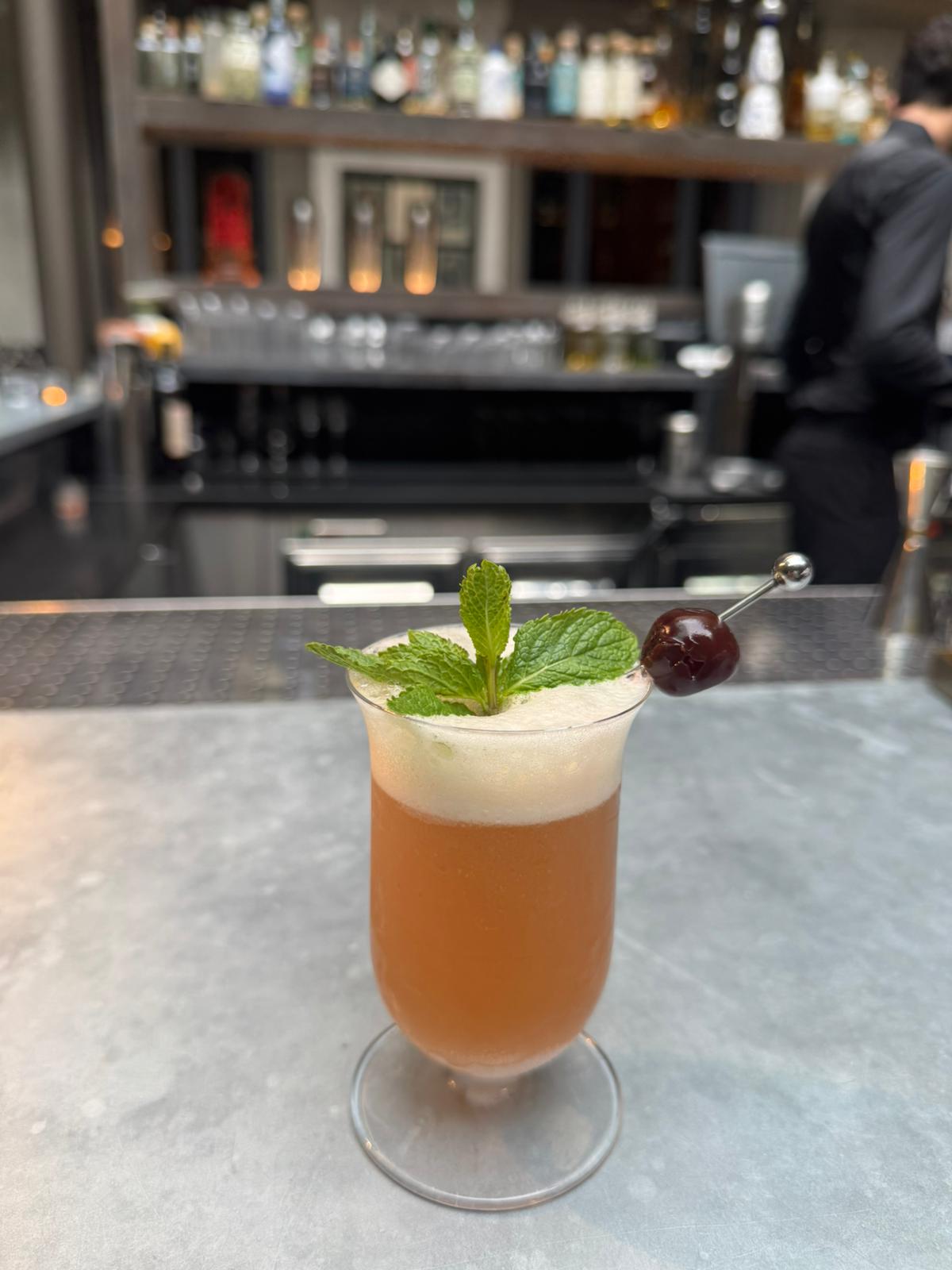
While the exact details are hazy (and even Ngiam’s own family is unclear on the truth), Raffles gives Ngiam credit for the creation of the Singapore Sling around 1915. The hotel explains that Ngiam cleverly gave the cocktail a pretty pink hue, which made it look like a fruit juice and attracted everyone’s attention. While the history of the Sling may be imprecise, one thing is clear: once Raffles proclaimed the Long Bar as its birthplace, patrons couldn’t get enough.
History of the Singapore Sling
Singapore was a bustling port city, playing a key role in Britain’s global empire and serving as a bit of a playground for colonial elites. The Long Bar in the Raffles Hotel was considered a social hub for the likes of colonial officials, plantation owners from nearby Malaysia, as well as European and American tourists. And Ngiam Tong Boon, a Hainanese-Chinese bartender, had worked his way up to bar captain at the Long Bar.
While the exact details are hazy (and even Ngiam’s own family is unclear on the truth), Raffles gives Ngiam credit for the creation of the Singapore Sling around 1915. The hotel explains that Ngiam cleverly gave the cocktail a pretty pink hue, which made it look like a fruit juice and attracted everyone’s attention. While the history of the Sling may be imprecise, one thing is clear: once Raffles proclaimed the Long Bar as its birthplace, patrons couldn’t get enough.
Original Singapore Sling recipe
Unfortunately, the exact recipe for the original Sling was lost (none of Boon’s original recipes survived). But the Long Bar was able to recreate its signature cocktail with a 1936 note that resurfaced from a visitor to the bar. This patron had asked one of the bartenders how to make the Singapore Sling—and thankfully scrawled down the recipe. Raffles currently describes the Singapore Sling as a delightful combination of gin, pineapple juice, lime juice, curaçao, Benedictine, grenadine, and cherry liqueur.
Ingredients:
- 1.5 oz London dry gin
- .5 oz Heering cherry liqueur
- .25 oz Bénédictine liqueur
- .25 oz Cointreau
- 4 oz pineapple juice
- .5 oz fresh lime juice
- .33 oz grenadine
- 1 dash bitters
Directions
- Combine ingredients in a cocktail shaker and shake.
- Pour into a hurricane glass.
- Garnish with a pineapple wedge and maraschino cherry.
Our favourite twist
If the original sling recipe is a tad too sweet, we recommend Dale DeGroff’s take. DeGroff’s version emphasizes balance and freshness, reducing the sweetness often found in other variations. Thanks to fresh pineapple juice and precise measurements, this rendition offers a more refined and approachable take on the classic.
Ingredients:
- 1.5 oz Gin
- .5 oz cherry Heering
- .25 oz Bénédictine
- .25 oz Cointreau
- 2 oz fresh pineapple juice
- .5 oz fresh lime juice
- Dash of Angostura Bitters
- Soda Water (to top)
Tips to make a great Sling
In our experience, you’ll mix the best cocktail if you:
-
Tip #1
Use fresh pineapple juice and quality cherry liqueur.
-
Tip #2
Use a dry, juniper-forward gin.
-
Tip #3
Chill everything, shake hard, and garnish generously.
Fun fact about the Singapore Sling cocktail
Ngiam is rumored to have kept his Singapore Sling cocktail recipe in a safe. When his family retrieved his safe after his death, however, it was already open and its contents gone.

Nicole Bump
Nicole is a seasoned content strategist and writer with 15+ years of experience turning complex ideas into compelling stories. As founder of Bump Inbound, she helps brands connect with audiences through thoughtful strategy, sharp planning, and standout writing.

By Jove, that’s the real Hanky Panky! The cocktail recipe
By Jove, that’s the real Hanky Panky!
Witchy sips and barmaid tricks:
how Fernet and flair birthed a classic at The Savoy
It’s early 1900s London, and a fatigued comedic actor named Sir Charles Hawtrey walks into a bar. No, this is not the start to an overused joke—it’s the start to the Hanky Panky cocktail. The bar Hawtrey walked into was The American Bar at The Savoy, where he asked the barmaid for “something with a punch”. Ada “Coley” Coleman mixed a new beverage she was working on and passed it to her eager patron. Story has it that Hawtrey took one sip and exclaimed:
“By Jove, that’s the real Hanky Panky!”
The name stuck, and the rest is Hanky Panky cocktail history.
Ada Coleman and The Savoy
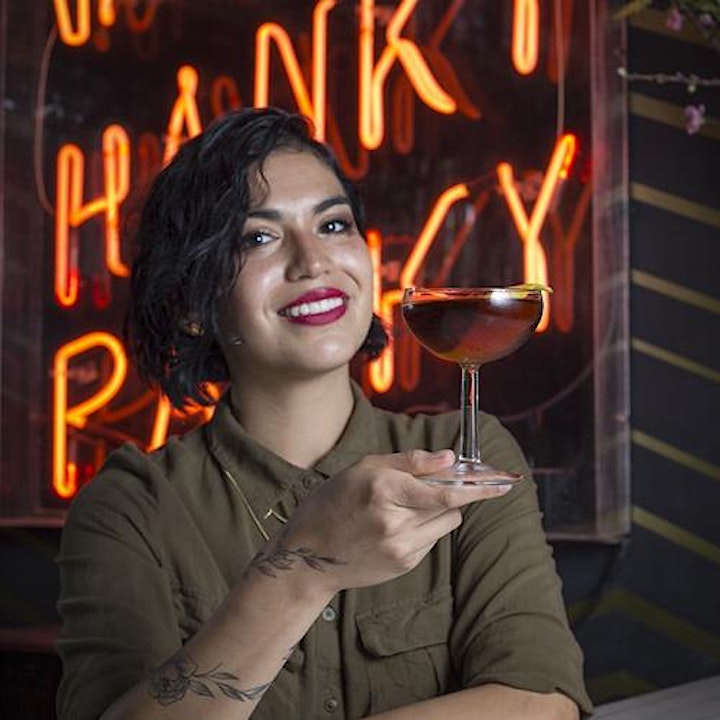
Contrary to popular belief, it was common for women to tend bars in the early 20th century—but few barmaids were as famous as Coleman. Thanks to her big talent and personality, Coleman became the first female head bartender at the Savoy’s American Bar, one of the most famous bars in the world. Coleman held the position from 1903 until 1926, during which time she is rumored to have served some of the most famous figures of the day, such as:
- Mark Twain
- Marlene Dietrich
- Charlie Chaplin
- Prince of Wales (later King Edward VII)
- American millionaire “Diamond” Jim Brady
During her tenure at the American Bar, Coleman mentored her successor Harry Craddock, who later authored the legendary Savoy Cocktail Book. While Craddock is often remembered as the cocktail authority, it’s Coleman’s legacy that laid the foundation for the modern classic hotel bar.
During her tenure at the American Bar, Coleman mentored her successor Harry Craddock, who later authored the legendary Savoy Cocktail Book. While Craddock is often remembered as the cocktail authority, it’s Coleman’s legacy that laid the foundation for the modern classic hotel bar.
Tips for mixing the best Hanky Panky
It’s important to choose the right gin (for something softer, try Altamura), as well as a high-quality vermouth. Also:
-
Don’t overdo it on the Fernet
Like summer in a glass, this is the playful cousin to the original mimosa. Blend fresh strawberries with orange juice before assembling. Strain as desired. Garnish with fresh fruit, such as a whole strawberry or an orange slice.
-
Stir, don’t shake
To achieve the elegance of a Bellini but the citrus sparkle of orange juice, try a peach mimosa. Whisk peach nectar with the orange juice before assembling. Garnish with a slice of fresh peach.
-
The orange twist is essential
For a tart yet festive version of the original mimosa that’s perfect for the winter holidays, replace the orange juice with cranberry juice. Garnish with fresh cranberries and a sprig of rosemary.
The Hanky Panky recipe
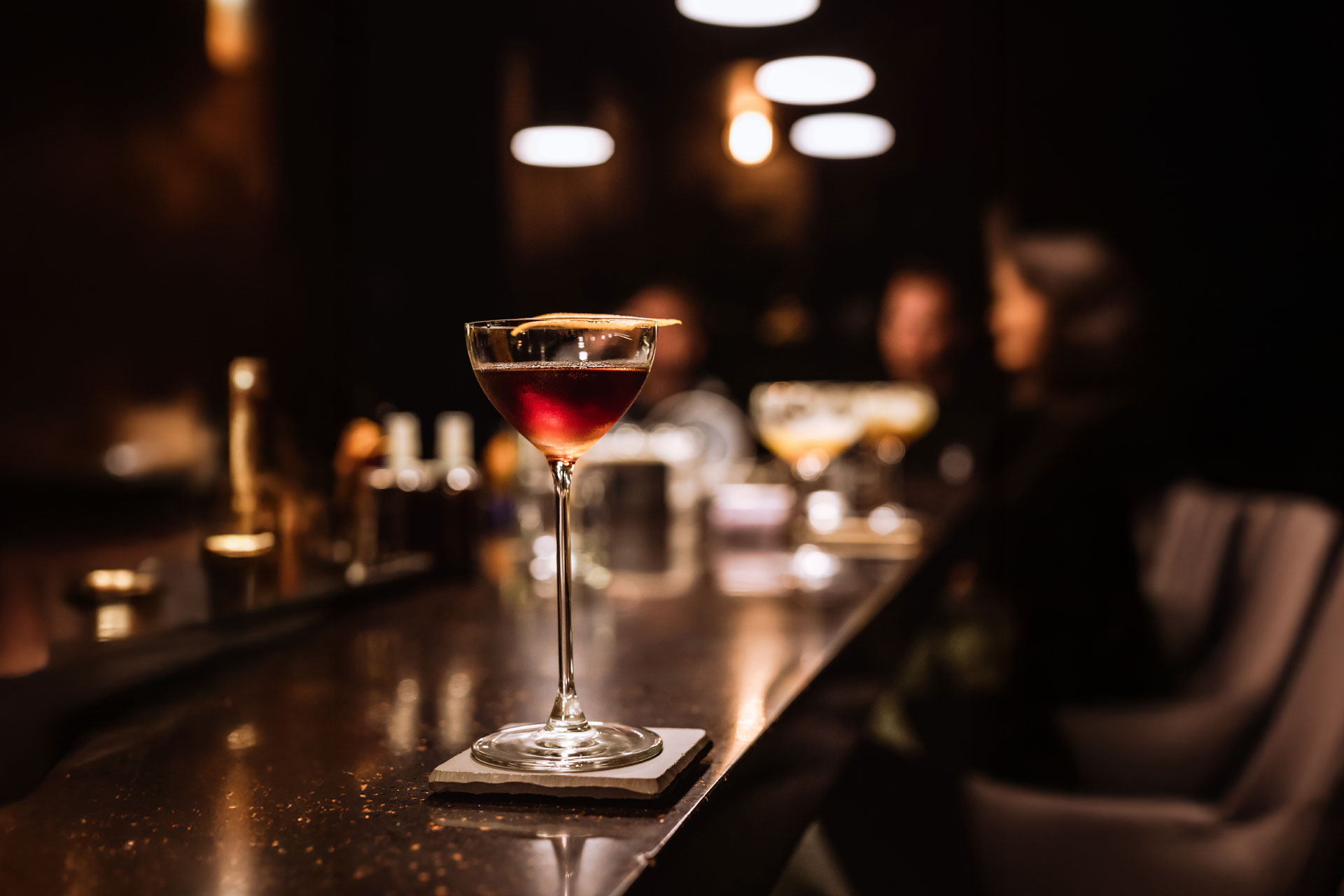
Coleman essentially served Hawtrey a variation of a Sweet Martini, but the addition of Fernet-Branca, a bitter Italian amaro, added a layer of complexity.
Hanky Panky Ingredients:
- 1.5 oz London dry gin
- 1.5 oz sweet vermouth
- 2 dashes Fernet-Branca
Directions
- Combine ingredients in a mixing glass with ice.
- Stir until well-chilled.
- Strain into a chilled coupe or cocktail glass.
- Garnish with an orange twist.
Our favorite twist on the Hanky Panky
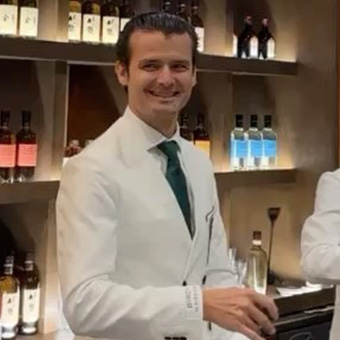
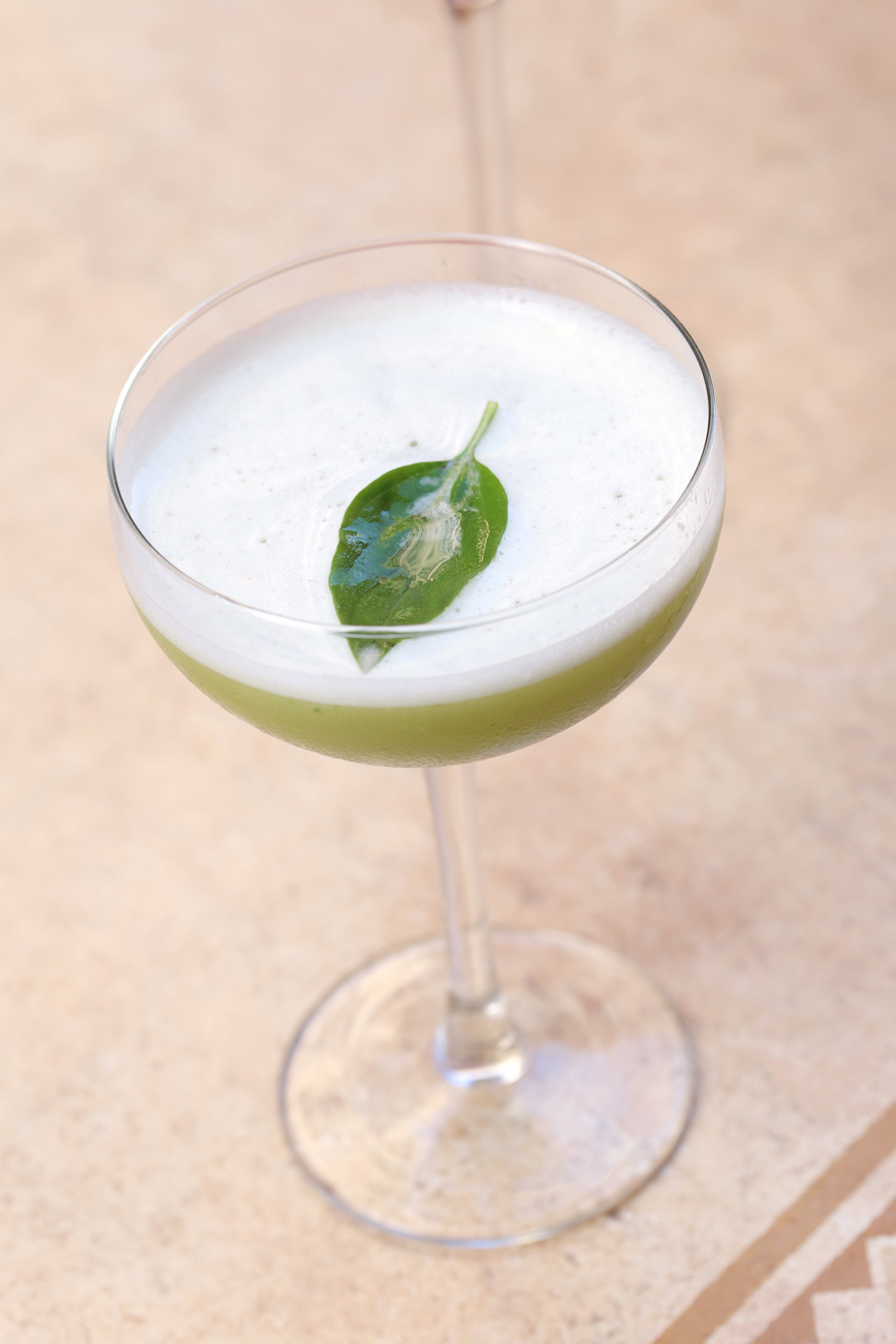
We enjoy Erik Lorincz’s take on the Hanky Panky, which he calls the Green Park Hanky Panky. Lorincz lightens the drink by using dry vermouth instead of sweet, adds freshness with basil, and retains the core bitterness from Fernet. The result is a more herbaceous and summery interpretation of the classic.
Green Park Hanky Panky
- 1.5 oz London dry gin
- 1.5 oz dry vermouth (instead of sweet vermouth)
- 2 dashes Fernet-Branca
- 3 fresh basil leaves
- Few drops of orange bitters (optional)
Mixologist
Fun fact about the Hanky Panky
While “hanky panky” had a more lascivious connotation in America, it referred to “a bit of trickery” or witchcraft in England. Hawtrey’s famous exclamation about the Hanky Panky can be roughly translated to mean: “That’s some real witchcraft!”
Nicole Bump
Nicole is a seasoned content strategist and writer with 15+ years of experience turning complex ideas into compelling stories. As founder of Bump Inbound, she helps brands connect with audiences through thoughtful strategy, sharp planning, and standout writing.

6 essential cocktail books from famous hotel bars
6 essential cocktail books
from famous hotel bars
6 boozy books to make your inner bartender feel very fancy
Some of the most iconic cocktails ever created have come from the world’s best hotel bars. And some of these infamous hotel bars have published cocktail books curating their signature concoctions (as well as their twists on cocktail classics). Bartenders aspiring to join the ranks of the world’s greatest mixologists can gain invaluable insights from these six iconic cocktail books, each offering timeless recipes and expert advice. Dive into the stories and techniques behind these legendary hotel bars and bartenders to elevate your craft with every page.
1. The Art of Cocktails
Written by the legendary bartender at the Ritz Paris, Frank Meier, and first published in 1936, The Art of Cocktails was once highly coveted and sought after by the high society of the time. The book is a timeless cocktail bible that offers more than just recipes—it provides a glimpse into the golden age of mixology. With over 300 meticulously crafted drinks, including classics like the Bee’s Knees and the Seapea “C.P.” fizz, the book showcases Meier’s expertise honed at the Ritz Paris.

“More and more they are becoming popular, thousands of people on every part of the globe drink them, but few have acquired the art of mixing a perfect drink. The cocktail should always be perfect: there is no reason to ever drink a bad one.”
2. Claridge’s The Cocktail Book
Claridge’s The Cocktail Book, written by Director of Bars Denis Broci, offers a unique exploration of the cocktails that have made Claridge’s a renowned destination for cocktail connoisseurs—from classics like the Tom Collins to modern favorites like The Flapper. The book’s emphasis on precision, presentation, and the sensory experience make it the perfect guide for anyone eager to mix perfect drinks with style.

“…most cocktails come and go. The ones that remain do so for a reason. As a prospective author might begin his journey in the library, so should a bartender-in-the-making look to great works of the past before picking up a shaker.”
3. The Savoy Cocktail Book
The Savoy Cocktail Book by Harry Craddock is a cornerstone of cocktail literature, offering over 700 meticulously crafted recipes that capture the essence of 1920s and ’30s mixology. The book is renowned for its comprehensive collection of classic cocktails, including the Corpse Reviver No. 2 and the White Lady. And many were created by Craddock himself during his tenure at the American Bar in London’s Savoy Hotel. Craddock’s witty commentary and practical advice, such as his recommendation to “shake the shaker as hard as you can,” offer both instruction and inspiration for aspiring greats.

“There are few people in the world who can match [Craddock’s] vast knowledge of liquid of all kinds, of how to mix them, and of how to create new cocktails for all great or state occasions, so that it is in all confidence that this book is set before you—the confidence that if anything should have been omitted it is in all probability not worth including.”
4. The St. Regis Bloody Mary Book
Born at The St. Regis New York in 1934, the Bloody Mary has evolved into a celebrated tradition across the brand’s hotels and resorts worldwide. The Bloody Mary Book is a curated collection of 46 unique Bloody Mary recipes from each of their global properties, reflecting local flavors and traditions. Each recipe is paired with stories and descriptions of the unique settings in which these drinks are served, from luxurious hotel bars to tranquil beachfront resorts. This attention to detail underscores how the environment, atmosphere, and mood contribute to the ritual of enjoying a perfectly crafted Bloody Mary.
“A premium vodka lays the foundation for the cocktail that started it all, the Red Snapper, and provides an ideal departure point for your liquor cabinet.”
5. The NoMad Cocktail Book
Prior to its closure during the Covid-19 pandemic, The NoMad Hotel in New York was renowned for its exceptional bar program. Aspiring mixologists can still enjoy a selection of The NoMad’s timeless classics and unique concoctions via The NoMad Cocktail Book, written by Bar Director Leo Robitscheck. This cocktail recipe book includes 225 of The NoMad’s favorite cocktails. While colleagues supposedly convinced Robitscheck to cut the 10 additional pages he wished to include solely on ice, the book still contains an insightful service manual.

“This was not the standard, could-be-anywhere New York hotel bar. It’s as if Leo and his crew drilled deep into the bedrock beneath the building and found the pool of residual bar juju that had lurked there untapped for a hundred years. The drinks I had that night, and in fact every drink I’ve had at the NoMad since, served to confirm that impression.”
6. The Pikes Cocktail Book
The Pikes Cocktail Book is a vibrant guide to mixing and enjoying cocktails from the Ibizan hotel best known for its luxury—and hedonism. The 65 “Rock ‘n’ Roll Cocktails” within are organized by the time of day and setting in which each beverage should be enjoyed, from a poolside Club Tropicana to a late night Leap of Faith to a Comeback Kid the morning after. The book is filled with an engaging narrative from the author as he experiences Pikes, cheeky stories from hotel founder Tony Pike, and colorful cocktail descriptions that bring the vibrant atmosphere of the hotel and its several bars to life.

“Pikes is an iconic Ibizan institution, steeped in rock ‘n’ roll history and brimming with personality—its famous aquamarine pool was the actual location for a young, tanned and toned George Michael and the infamous Club Tropicana video. And all of it was created by one man, the great, late Tony Pike…”
Nicole Bump
Nicole is a seasoned content strategist and writer with 15+ years of experience turning complex ideas into compelling stories. As founder of Bump Inbound, she helps brands connect with audiences through thoughtful strategy, sharp planning, and standout writing.
The Rob Roy cocktail: A Waldorf Astoria creation
The Rob Roy cocktail
The Rob Roy cocktail: A Waldorf Astoria creation
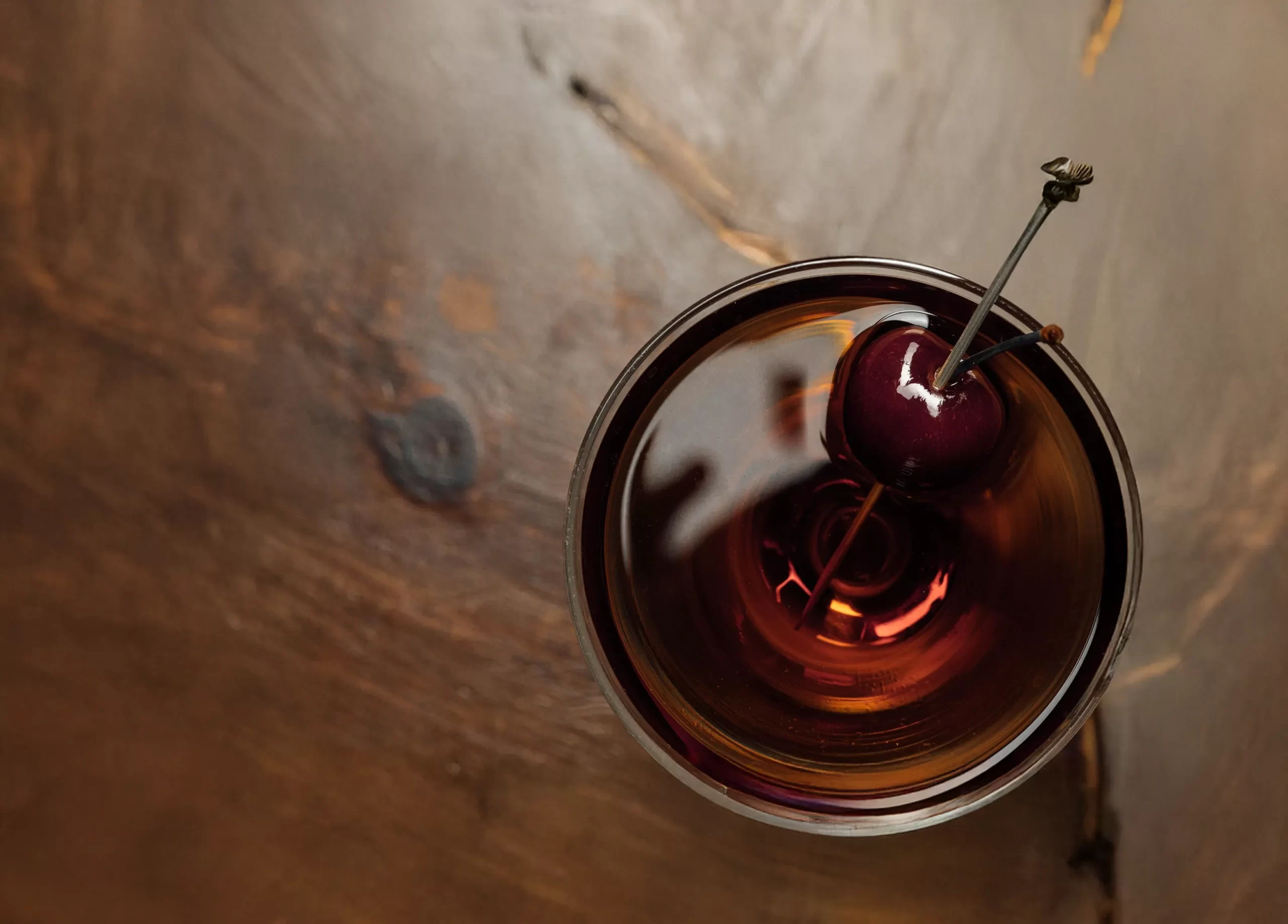
It may look like a Manhattan at first glance, but there’s something darker, bolder, and more storied swirling in that glass. From the Scottish Highlands to the original Waldorf Astoria hotel, the Rob Roy cocktail carries a legacy that’s anything but ordinary.

What is a Rob Roy cocktail?
The Rob Roy is essentially a Manhattan cocktail with Scotch whisky instead of rye whiskey or bourbon. The flavor is bold, smooth, and slightly smoky, with a rich, balanced sweetness from the vermouth and a subtle herbal bitterness from the bitters.

What is a Rob Roy cocktail?
The Rob Roy is essentially a Manhattan cocktail with Scotch whisky instead of rye whiskey or bourbon. The flavor is bold, smooth, and slightly smoky, with a rich, balanced sweetness from the vermouth and a subtle herbal bitterness from the bitters.
Rob Roy cocktail history
The Rob Roy was created in a gilded New York bar to toast a swashbuckling Scottish legend.
Born in 1671 in Glyngyle, Scotland, Robert McGregor was a notorious cattle thief, often dubbed the Scottish Robin Hood, and considered a real-life Scottish folk hero. He earned the nickname ‘Rob Roy’ thanks to his fiery red hair (the Gaelic word ‘ruadh’ means red and is pronounced a bit like ‘Roy’).

Roy boasted a larger-than-life persona and a dramatic life story full of betrayal, rebellion, and resilience. Sir Walter Scott romanticized Roy’s exploits in his 1817 novel Rob Roy and helped define the popular image of a rugged, noble Highlander. By the late 1800s, Rob Roy was firmly embedded in popular culture. His story was ripe for adaptation to operetta, and Reginald De Koven (composer) and Harry B. Smith (lyricist) were up to the task. They debuted the three-act “romantic-comic opera” in Detroit in October, 1894, and it made its way to New York City a few weeks later. The operetta ran for 235 performances, with the New York Times calling it
“a thoroughly good operetta … clean, frank, manly, bright, and winsome … a right good comedy”.
Inspired by the popular operetta, a bartender at New York’s Waldorf Astoria (possibly Charles McPherson) created a new cocktail by subbing Scotch whisky for the rye used in Manhattans—and called it the Rob Roy. The drink quickly gained popularity at the Waldorf Astoria and eventually became a staple in bars and lounges around the world.
Variations of the Rob Roy
Bartenders and cocktail aficionados regard the Rob Roy as a timeless, sophisticated drink, but the cocktail also lends itself to subtle variation. By swapping the vermouth, you can dial the sweetness up or down to suit your palate. Bartenders continue to experiment with different types of scotch, vermouths, and bitters to create unique flavor profiles for the Rob Roy.
-
Dry Rob Roy
for example, uses dry vermouth instead of sweet, offering a lighter, more herbal taste with more emphasis on the scotch’s character.
-
Perfect Rob Roy
uses equal parts sweet and dry vermouth to achieve a balanced mix—less sweet than the classic with a brighter, cleaner finish.
-
Folies Bergère
It takes on the classic Rob Roy, featuring Altamura Distilleries Vodka, banana juice, smoky almonds, and Americano Bianco. Discover more
How to make a Rob Roy cocktail (recipe)
According to the 1935 edition of The Old Waldorf Astoria Bar Book, the original Rob Roy was equal parts scotch and sweet vermouth. Today, however, the drink is made with a 2:1 ratio.
Ingredients:
- 2 ounces Scotch whisky
- 1 ounce sweet vermouth
- 3 dashes bitters
- Maraschino cherry, for garnish
Directions
- Combine ingredients in a mixing glass filled with ice.
- Stir for 20 to 30 seconds until well chilled.
- Strain into a chilled cocktail coupe.
- Garnish with the cherry.
Fun fact about the Rob Roy
While it may be a classic, the Rob Roy is less commonly ordered than its cousin, the Manhattan. You’re more likely to find it on craft cocktail menus, at whisky bars, or ordered by seasoned drinkers who want something classic and spirit-forward. It has a stronger following in cities with robust whisky cultures—like Edinburgh, NYC, and Tokyo.
Nicole Bump
Nicole is a seasoned content strategist and writer with 15+ years of experience turning complex ideas into compelling stories. As founder of Bump Inbound, she helps brands connect with audiences through thoughtful strategy, sharp planning, and standout writing.
Crafting Stories in Every Sip: An Interview with Antonio Ferrara
Crafting Stories in Every Sip
An Interview with Antonio Ferrara of The Bar at Aman Venice
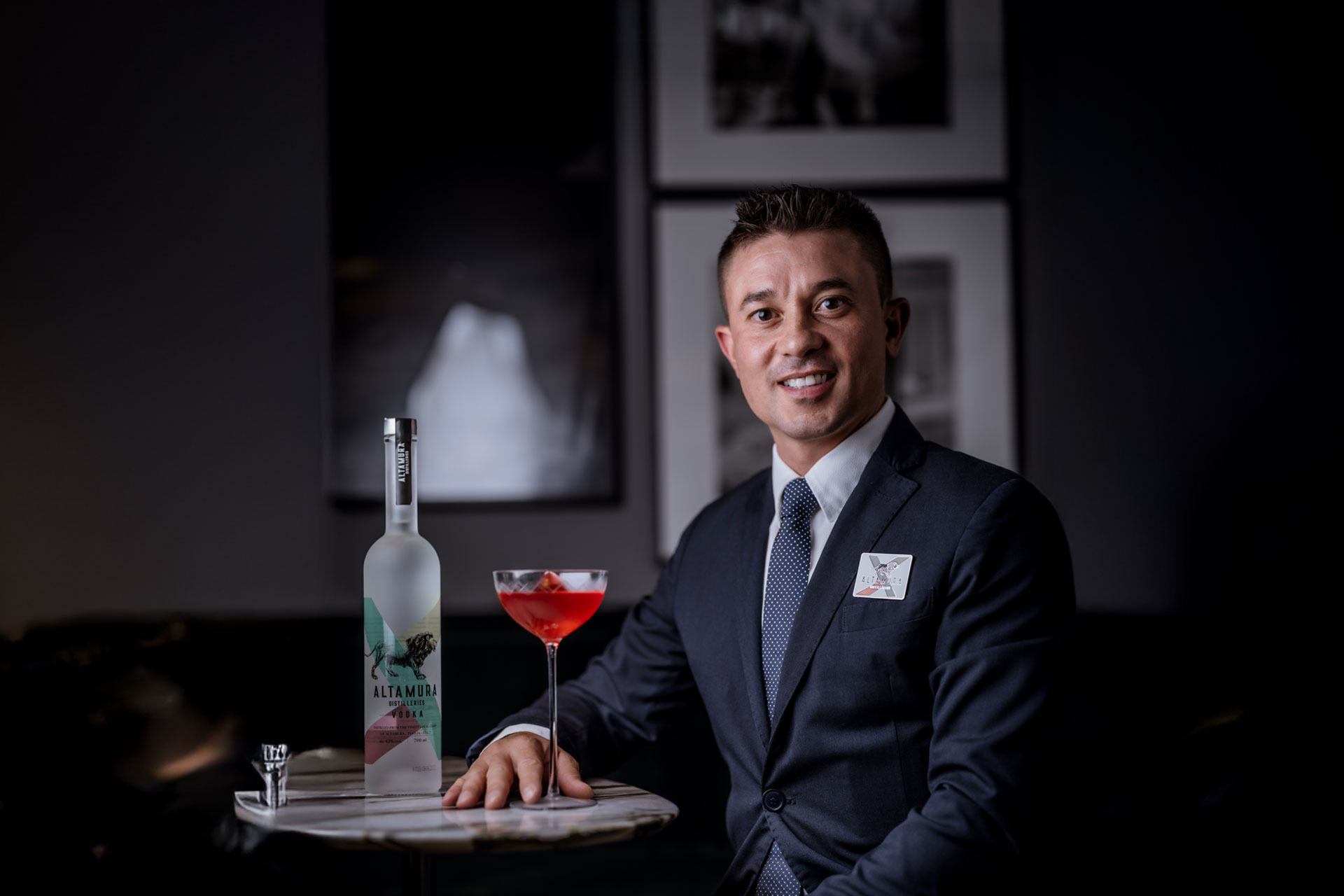
Antonio Ferrara doesn’t just serve cocktails—he creates experiences. As the head of The Bar at the Aman Venice, he draws inspiration from the palazzo’s history, transforming its art and architecture into drinks that tell a story. His approach is rooted in generosity, hospitality, and a deep respect for detail. In this interview, Antonio reflects on the early inspirations that drew him to bartending, the impact of his mentor, and how he and his team bring Aman’s philosophy to life behind the bar.
What first drew you to bartending, and when did you know it would become a serious career for you?
I’ve always been drawn to the world of elegance and hospitality. When I first stepped into a luxury hotel bar, I was completely captivated by the atmosphere. My manager at the time was the person I aspired to become—I still remember his way of speaking, his presence, and his undeniable expertise.
I’ve read that you had a mentor named Giorgio. How did he help shape the bartender you are today?
Yes, exactly—the person who gave me my foundation is Giorgio Fadda. He always taught me everything he knew and often told me that his goal was to give me all the knowledge possible so that the quality of the bar team would be excellent. He was never jealous or possessive of his skills, but always generous, supportive, and kind.
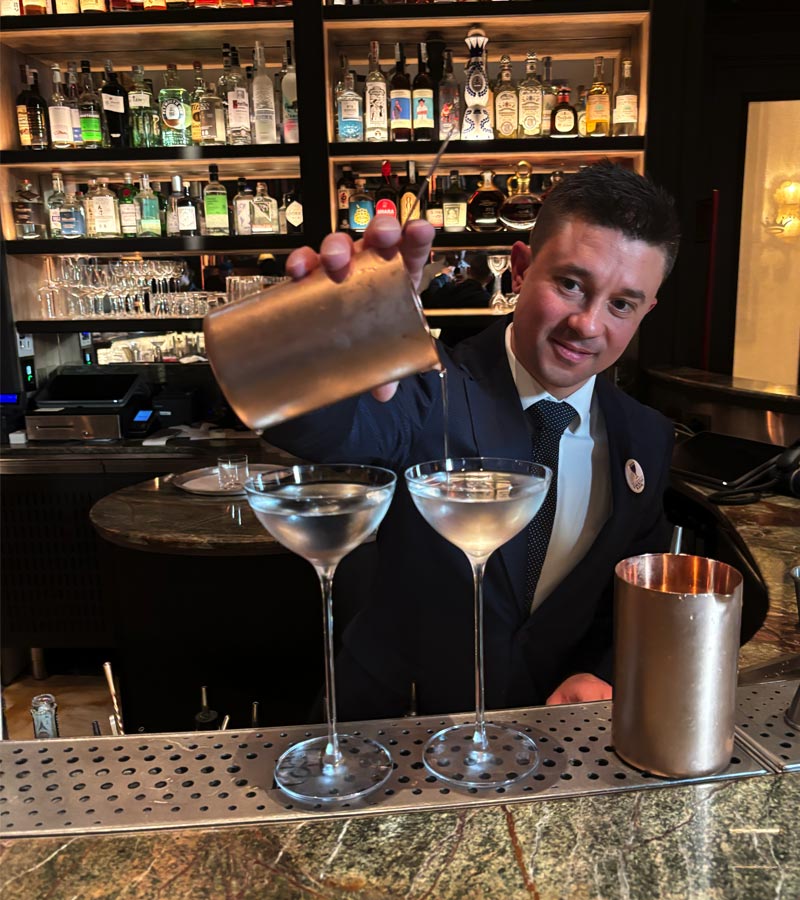
What brought you to The Bar at Aman Venice?
I joined Aman because I wanted to be part of a great project. At Aman, there is a strong focus on taking care of the guest—the goal is not just to serve my drink, but to offer a truly unique experience.
“Why Aman? I wanted to be part of a great project”
You’ve led The Bar to win many awards—what did it take to get there?
Winning awards is a great source of pride for me and the bar team. The work behind the scenes has been both demanding and exciting. Since we are a hotel, our goal is always to offer a unique experience. The real challenge has been adapting Aman’s philosophy to the bar—understanding how far we can push ourselves while still staying true to our identity.
You are known for your innovative cocktail menus. What makes your menus so innovative?
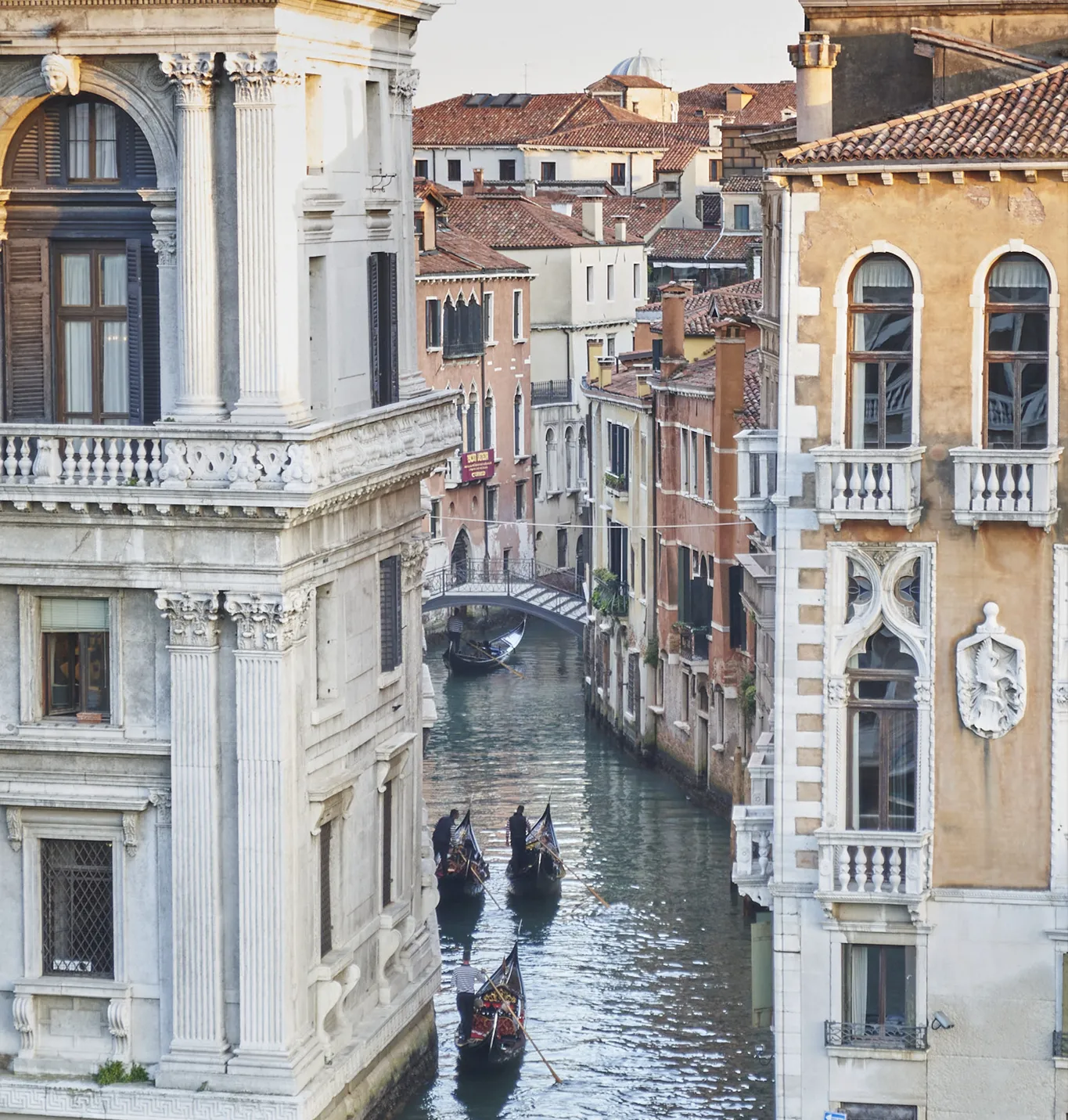
Thank you very much. Together with the team, we strive to highlight the essence of our palazzo. By studying our “home” in detail, we’re able to express who we are through our cocktails. For example, our latest drink list is inspired by the rooms of the palazzo, where we tell the stories and meanings behind the various frescoes.
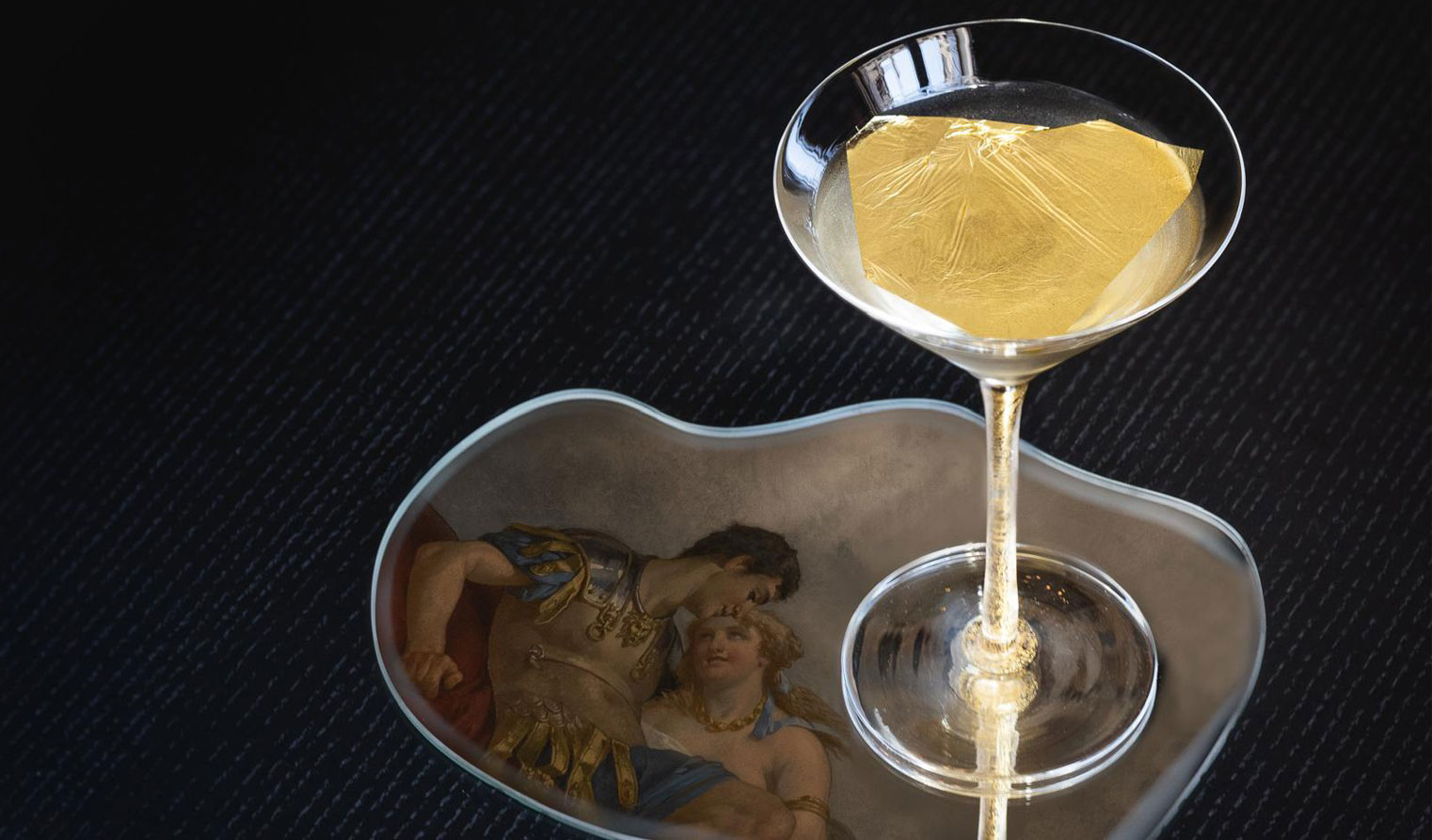
Tell me about the inspiration behind the Indomitable.
How did the idea come about?
Indomitable was created in honor of a very brave and powerful woman: Maria Maddalena Aldobrandini Papadopoli, the wife of Papadopoli, who lived in our Palazzo around 1850. She wanted to protest the Austro-Hungarian political and military occupation and chose to be portrayed in a large painting wearing a dark blue velvet dress—the same color worn by the political resistance. In the painting, emphasis is also placed on her white petticoat. At that time, in the 1800s, washing machines didn’t exist, so nobles would discard dirty clothing. A white skirt would get dirty easily and be thrown away. But she was wealthy and wanted to show it. The meaning of the painting is twofold:
“You are not welcome in my home”
“Be careful, I’m very rich”
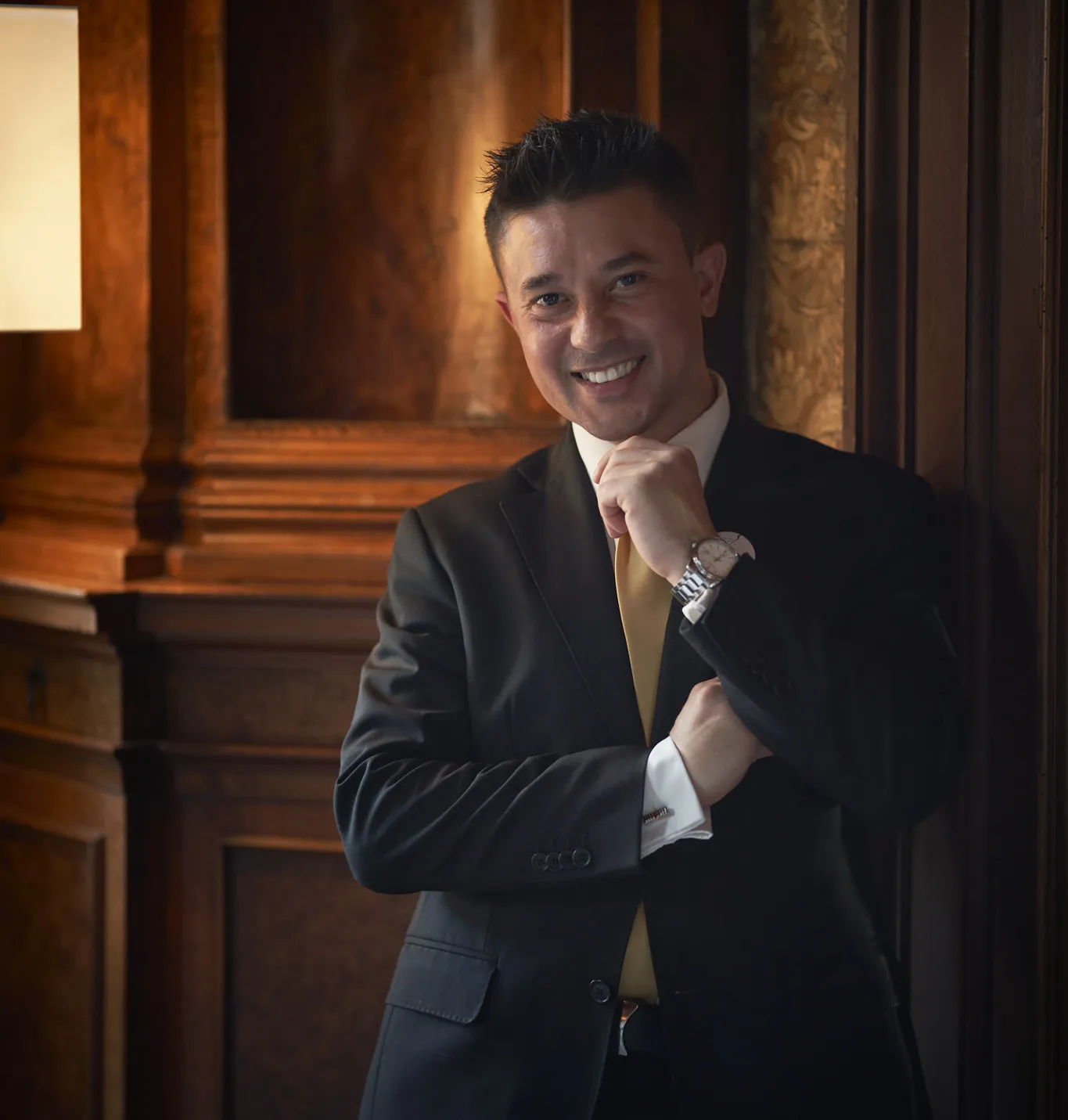
You’ve said you like to focus on the experience each guest has with their cocktail. Can you share how you craft that experience?
Yes, exactly—the details make all the difference, and most importantly, it’s essential to understand the guest’s needs. This allows you to personalize the experience based on who you have in front of you. Hospitality plays a key role in this, as it provides the foundation to start a conversation with the guest. For example, there are many guests who enjoy talking—they sit at the counter and look for interaction. I remember one evening when I was talking about Venice Cocktail Week, and the guests, intrigued, started asking me lots of questions. To my surprise, they came back a few days later just to experience the Venice Cocktail Week!
I hear you enjoy using fermentation with your cocktails. Why do you like it, and can you give me an example of a drink you created using fermentation?
Yes, we use fermentation to create more complex non-alcoholic cocktails. We had a twist on a spiced Tepache on the menu, made with a variety of spices and herbs from the Venetian lagoon. We really enjoy working with fermentation because it brings a unique acidity and complexity of flavor that’s sometimes hard to replicate.
You’ve led The Bar to win many awards—what did it take to get there?
Winning awards is a great source of pride for me and the bar team. The work behind the scenes has been both demanding and exciting. Since we are a hotel, our goal is always to offer a unique experience. The real challenge has been adapting Aman’s philosophy to the bar—understanding how far we can push ourselves while still staying true to our identity.
You are known for your innovative cocktail menus. What makes your menus so innovative?
Thank you very much. Together with the team, we strive to highlight the essence of our palazzo. By studying our “home” in detail, we’re able to express who we are through our cocktails. For example, our latest drink list is inspired by the rooms of the palazzo, where we tell the stories and meanings behind the various frescoes.
Nicole Bump
Nicole is a seasoned content strategist and writer with 15+ years of experience turning complex ideas into compelling stories. As founder of Bump Inbound, she helps brands connect with audiences through thoughtful strategy, sharp planning, and standout writing.
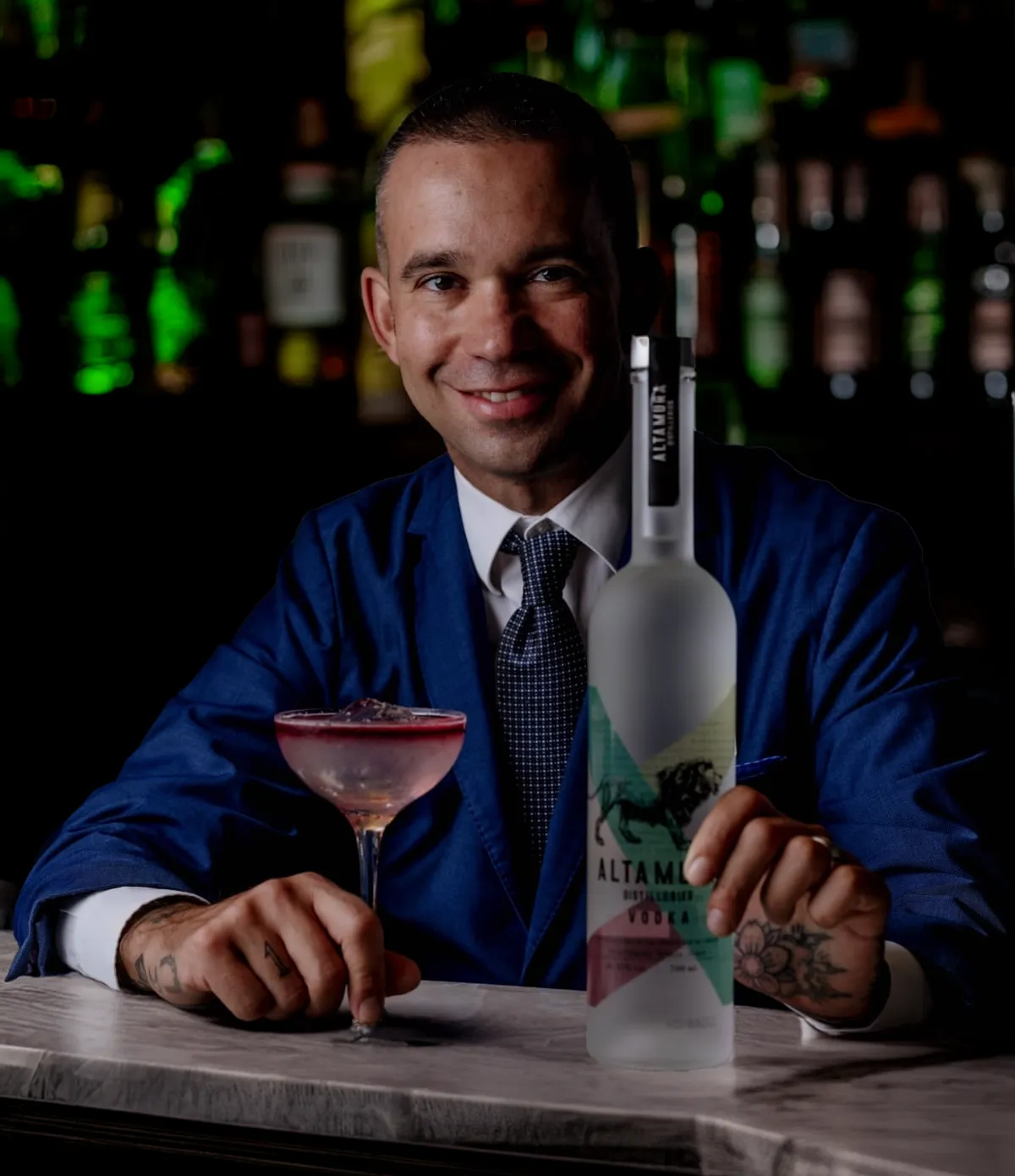
Behind the Atrium Bar: An Interview with Edoardo Sandri
Behind the Atrium Bar
An Interview with Edoardo Sandri
Before he became the heart of the Atrium Bar at the Four Seasons Hotel Firenze, Edoardo Sandri dreamed of being a professional boxer. But a chance encounter with a tequila sunrise—and a bar full of energy and possibility—set him on a very different path. Today, with more than two decades of experience and a deep passion for his work, Edoardo has helped shape one of Italy’s most iconic hotel bars into a destination for locals and world travelers alike. In this interview, Edoardo shares what sets the Atrium Bar apart, tells the story behind his Folies Bergère cocktail, and offers advice about real life as an exceptional bartender.
What first drew you to bartending, and when did you know it would be a serious career?
I started bartending 22 years ago, after high school. I actually wanted to be a professional boxer, but that wasn’t in the cards for me. Bartending caught my eye one night when I was at a club and I noticed a bartender making a tequila sunrise—it’s just tequila, orange juice and grenadine, but I liked the dramatic visual effect. The next day, I went to the library and checked out some books on drinks and bars to start my education.
I don’t really think about my career much, or the future in general, because it gives me anxiety. I just started out taking many courses, like flair and acrobatic bartending. I realized it was a job I would be sticking with around 2008, which was when I began working at the Four Seasons Hotel Firenze Atrium Bar. I started to think, “Yeah, this could be a good place for me, a good career.”
What sets the Atrium Bar apart from other bars that you’ve worked at?
For me, it’s the most beautiful bar in the world, but I might be biased (I also say my daughter is the most beautiful kid in the world!). I’ve been here for 17 years, so it’s an important part of my life and my career. I’ve traveled a lot during these years—for example, to many events with Altamura, where I showcase how we use Altamura vodka. Every time I represent the Atrium Bar, I’m extremely proud to do so. At the beginning, around 2008 to 2010, we mostly served hotel guests. We would get calls from others in town asking, “Is it possible to visit for an aperitivo?” It wasn’t common in Italy to just go enjoy a Negroni inside a hotel. We would respond…
“Yes, madam, of course” or “Yes, sir, please do”
What sets the Atrium Bar apart from other bars that you’ve worked at?
For me, it’s the most beautiful bar in the world, but I might be biased (I also say my daughter is the most beautiful kid in the world!). I’ve been here for 17 years, so it’s an important part of my life and my career. I’ve traveled a lot during these years—for example, to many events with Altamura, where I showcase how we use Altamura vodka. Every time I represent the Atrium Bar, I’m extremely proud to do so. At the beginning, around 2008 to 2010, we mostly served hotel guests. We would get calls from others in town asking, “Is it possible to visit for an aperitivo?” It wasn’t common in Italy to just go enjoy a Negroni inside a hotel. We would respond…
“Yes, madam, of course” or “Yes, sir, please do”
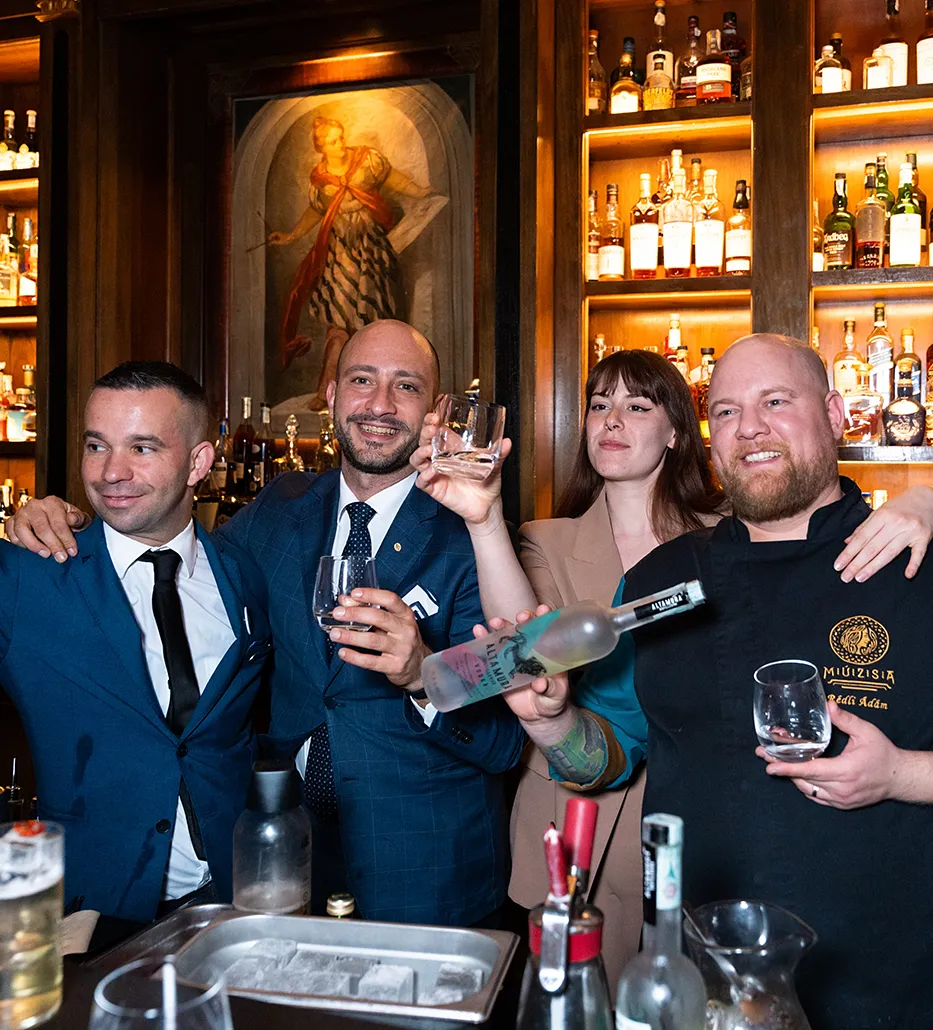
Many people therefore credit us with opening the doors of our bar and others to the Florentine people. As a result, I may have one table with hotel guests who are spending 10,000 euros per night for their room, and the next table over there’s a Florentine guy like me that’s just drinking a cocktail. We are inclusive for all people, and I like this mix.

Your current menu features Sips of History.
Can you tell me about the inspiration behind these cocktails and how they came about?
Creating this menu was an exciting journey for us. It features eight iconic drinks from the 19th century, and each is designed to reflect a specific time, place, and the people who lived it. It’s our way of bringing those moments to life with a modern twist—every drink is an invitation to connect with history.
The Folies Bergère is one of those iconic cocktails on the menu. Which pieces of history does it represent?
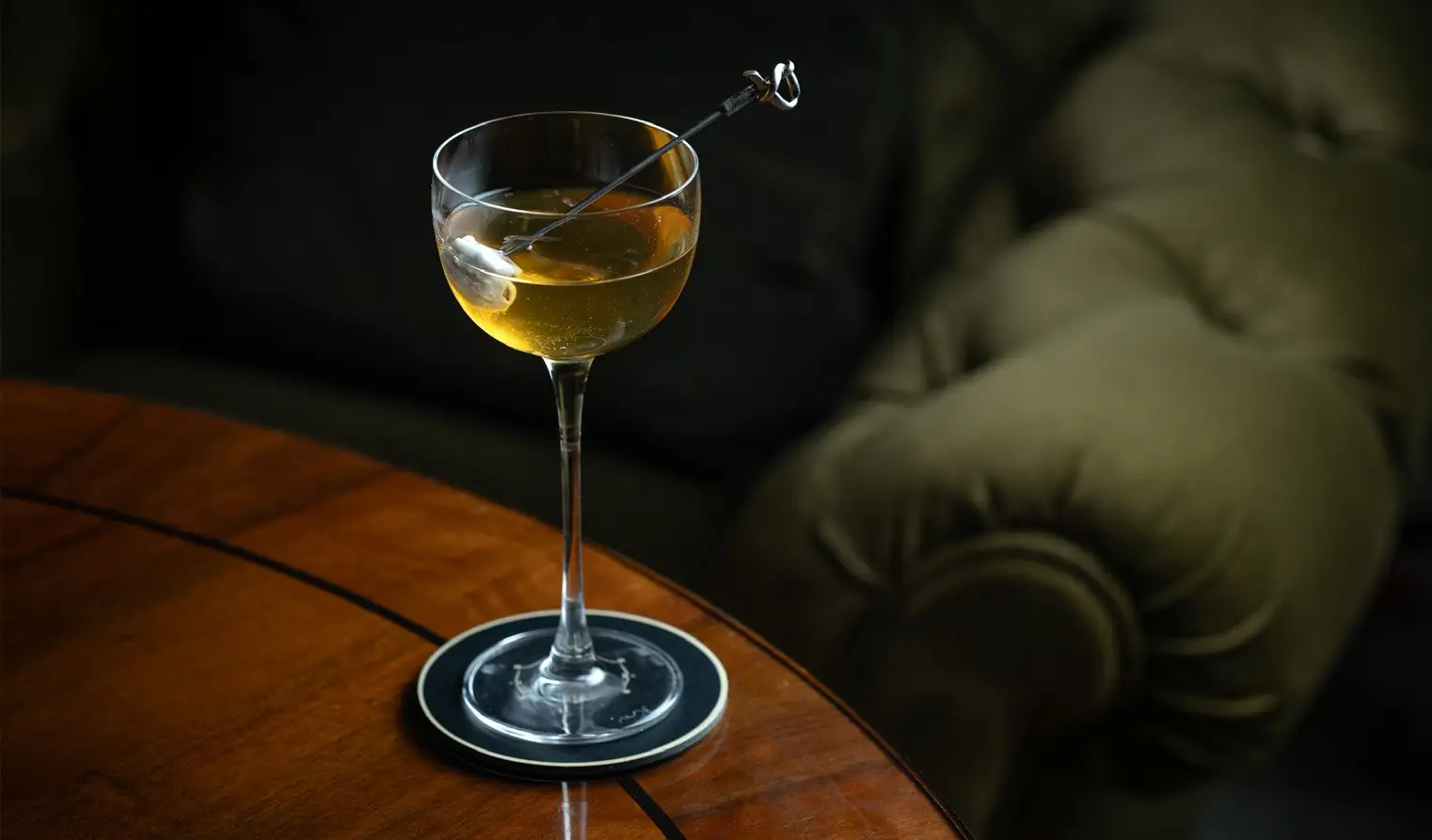
The Folies Bergère is our Sips of History take on the classic Rob Roy (which is the scotch brother of the Manhattan). We named the cocktail after the popular French theater where one of the dancers famously wore a banana skirt during her performances in the 1920s. Our Folies Bergère cocktail therefore features banana juice, as well as Altamura Vodka, smoky almonds to replace the smoky taste of the scotch, and Americano Bianco. The creation is both elegant and fun, evoking the energy and glamour of late nights in theatres and café-concerts.
When you’re developing a new drink, where do you usually begin—flavor, theme, ingredient, or something else?
I usually start with an overarching concept. The concept could be based on history, a flavor, an experience—and once I choose the concept we all like best, then we will work on the drinks. For example, I’m thinking about the menu for 2026 now, and I have several concepts in the running.
“Florence and the whole of Italy are classic places, and the Four Seasons Hotel Firenze is a classic hotel, so I use a lot of serious, classic concepts.”
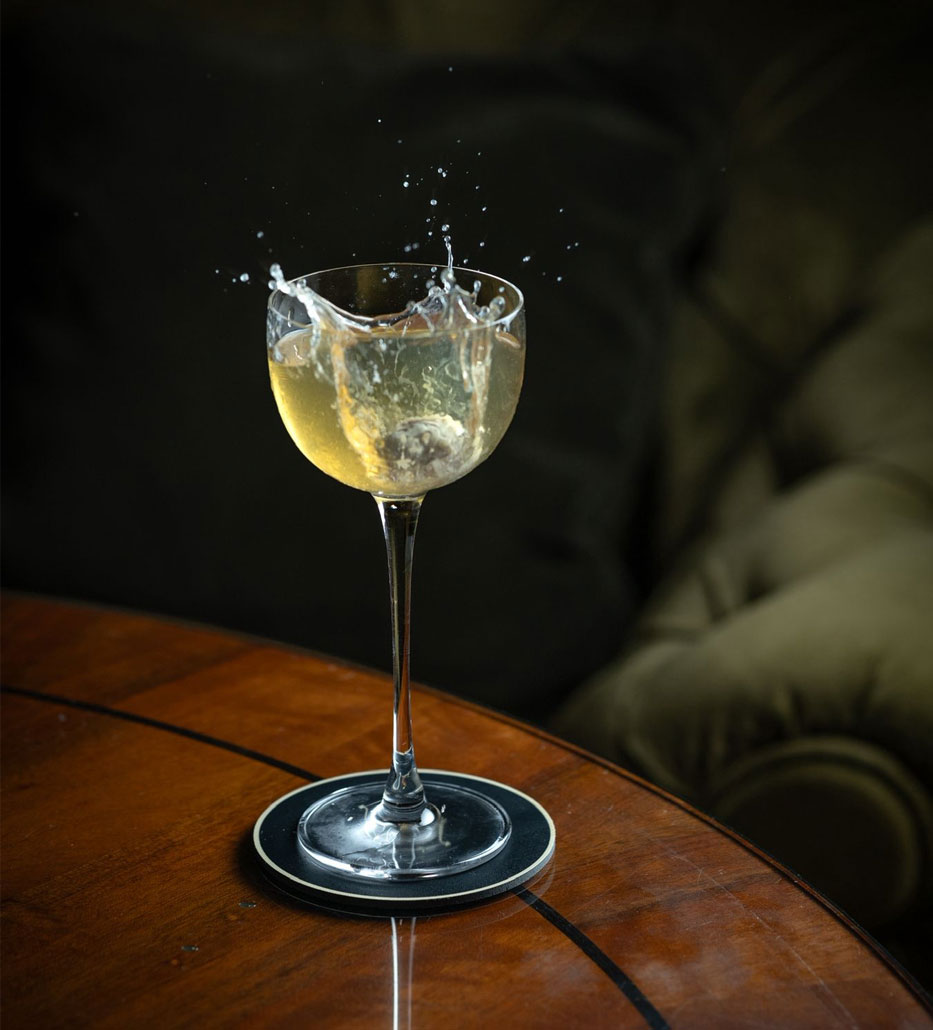
But I like to alternate years with more fun and creative ideas, too. About seven or eight years ago, we were making drinks with an old tool from the 17th and 18th centuries called a loggerhead, which was an iron rod used to heat the cocktails—a bit like Jerry Thomas’s Blue Blazer. I’ve used nitro for many years as a technique, and also for chilling glasses.
A decade or more ago, I think most hotel bars and other bars in Italy were a bit boring. We’ve contributed a bit to elevating that experience, making the hotel bar more fun.
What do you think makes a bartender memorable…what makes Edoardo memorable? And what advice do you have for aspiring bartenders?
I’m just Edoardo. I’m not an actor, I’m not a superstar, I’m just the father of my daughter. I’m a good guy, and I’m passionate about my job. I dedicate a lot of time to growing the bar, not my career. I’m not too worried about being memorable. It’s a great career with so many opportunities—career opportunities, and also life opportunities, meeting people, making friends. But you have to try to find some balance between your work and the rest of your life.
“When you master both mixology and hospitality together, you can call yourself a great bartender”
Nicole Bump
Nicole is a seasoned content strategist and writer with 15+ years of experience turning complex ideas into compelling stories. As founder of Bump Inbound, she helps brands connect with audiences through thoughtful strategy, sharp planning, and standout writing.
Get Inspired
Be the first to learn about our exclusive events and updates you’ll actually want to read.
Get Inspired
Be the first to learn about our exclusive events and updates you’ll actually want to read
The Mimosa Cocktail: From the Ritz Paris to brunch bestie
The Mimosa Cocktail
From the Ritz Paris to brunch bestie
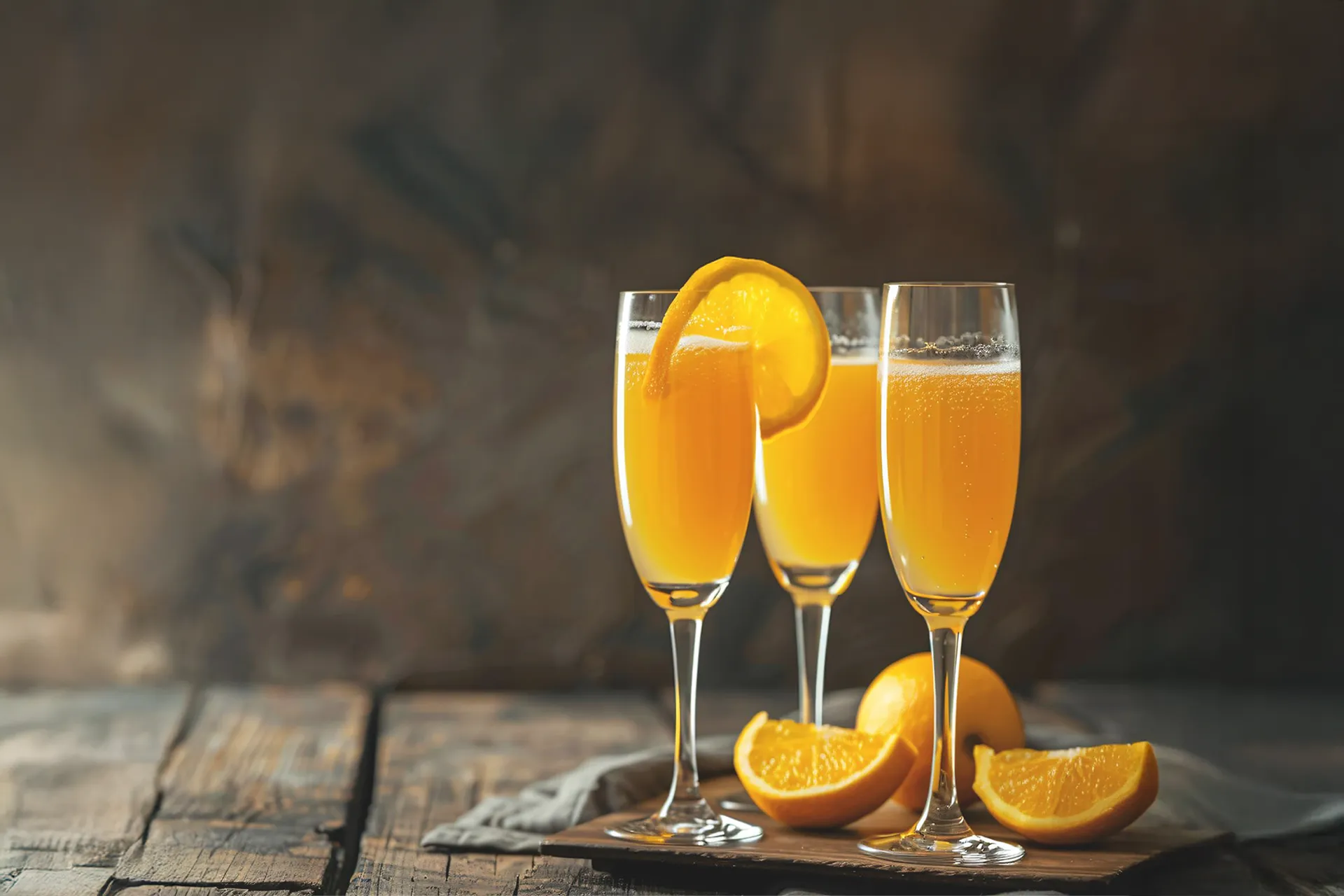
You might be used to enjoying the mimosa cocktail with eggs benedict and a side of bacon, but the original mimosa wasn’t associated with bottomless pitchers. It began not as a hangover cure or midday indulgence, but as a quiet luxury, served in crystal flutes at one of the most glamorous hotels in the world. Behind its golden fizz lies a story of rivalry, reinvention, and even wartime espionage. Yes, espionage.
Who invented the mimosa?
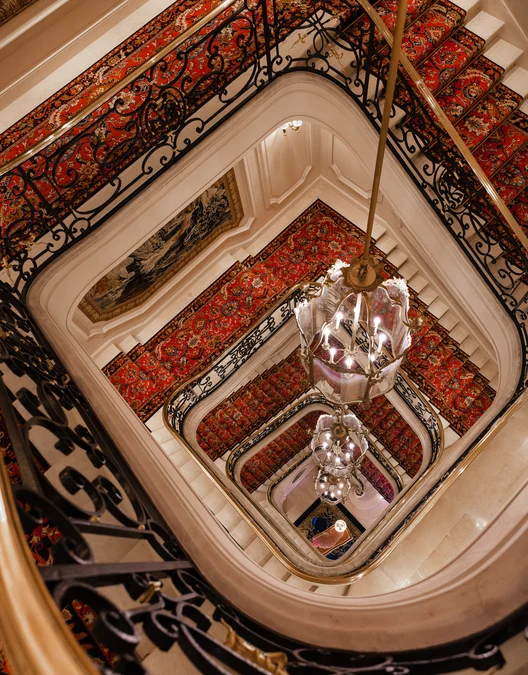
The mimosa cocktail is widely believed to have been invented in 1925 at the Ritz Bar at the Ritz Hotel in Paris by Frank Meier, the hotel’s head bartender. But there’s been some debate.

Who invented the mimosa?
The mimosa cocktail is widely believed to have been invented in 1925 at the Ritz Bar at the Ritz Hotel in Paris by Frank Meier, the hotel’s head bartender. But there’s been some debate.
Mimosa history: Paris or London?
In the aftermath of World War I, Paris was a cultural and social epicenter. Artists, writers, aristocrats, and the newly wealthy mingled in salons and luxury hotels, especially the Ritz. Enter Frank Meier, the Austrian-born bartender who helmed the hotel’s bar from the 1920s through World War II. He was known for his meticulous cocktails, as well as his discretion serving celebrities, spies, and royals—like Ernest Hemingway, Coco Chanel, and F. Scott Fitzgerald.
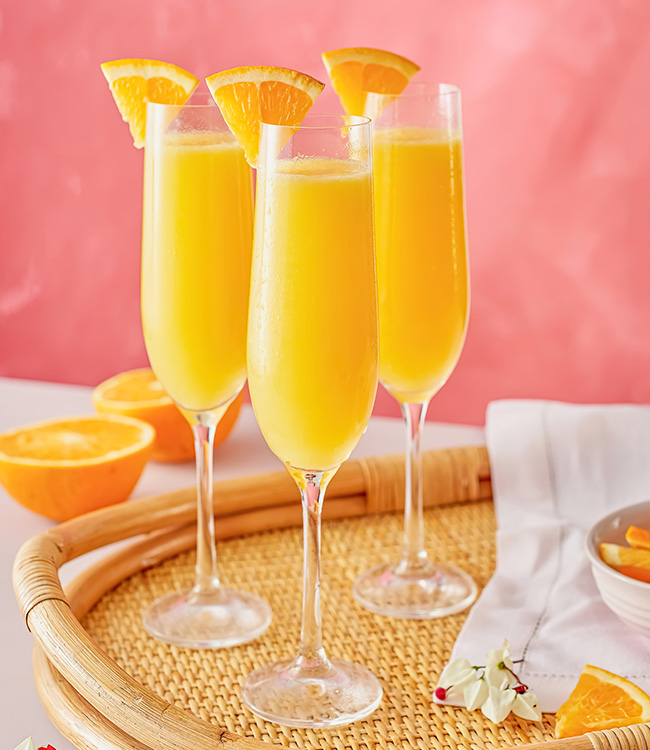
As the story goes, bartender Malachi “Pat” McGarry of London’s Buck’s Club created a drink similar to the mimosa in 1921 and called it the Buck’s Fizz. McGarry’s cocktail used more champagne than orange juice and sometimes included a dash of grenadine or a splash of orange liqueur (like Grand Marnier or curaçao).
While the Buck’s Fizz may have been a precursor, the mimosa as we know it today likely owes its popularity to Meier’s 1925 refinement at the Ritz. Meier created a lighter, more simplified version of the cocktail with equalized parts champagne and orange juice—ideal for a languid hotel breakfast or other daytime indulgence.
Our favorite mimosa variations
There are endless ways to elevate classic mimosas using various fruit juices and spirits. Some of the most popular mimosa flavors include:
-
Strawberry mimosa
Like summer in a glass, this is the playful cousin to the original mimosa. Blend fresh strawberries with orange juice before assembling. Strain as desired. Garnish with fresh fruit, such as a whole strawberry or an orange slice.
-
Peach mimosa
To achieve the elegance of a Bellini but the citrus sparkle of orange juice, try a peach mimosa. Whisk peach nectar with the orange juice before assembling. Garnish with a slice of fresh peach.
-
Cranberry mimosa
For a tart yet festive version of the original mimosa that’s perfect for the winter holidays, replace the orange juice with cranberry juice. Garnish with fresh cranberries and a sprig of rosemary.
The mimosa cocktail recipe
The most basic mimosa recipe is equal parts champagne (or another dry sparkling wine—or even a high-quality Prosecco) and orange juice. If you’re hosting a brunch or serving a group, this recipe serves eight.
Ingredients:
- 1 bottle (750 ml) champagne (or prosecco)
- 3 cups orange juice
Directions
- Chill champagne flutes.
- Fill each glass half full with champagne.
- Top with orange juice.
Fun fact about the mimosa cocktail
Meier wasn’t just a bartender—he was also part of the French Resistance during World War II. He used his bar at the Ritz to gather intelligence from German officers and pass it along to the Allies. So, while sipping a mimosa today may just be a fun excuse to imbibe on a Sunday morning, its creator had a complex legacy of both hospitality and heroism.
Nicole Bump
Nicole is a seasoned content strategist and writer with 15+ years of experience turning complex ideas into compelling stories. As founder of Bump Inbound, she helps brands connect with audiences through thoughtful strategy, sharp planning, and standout writing.
What Aspiring Bartenders Can Learn from The Maestro
The Maestro Salvatore Calabrese
What Aspiring Bartenders Can Learn from The Maestro
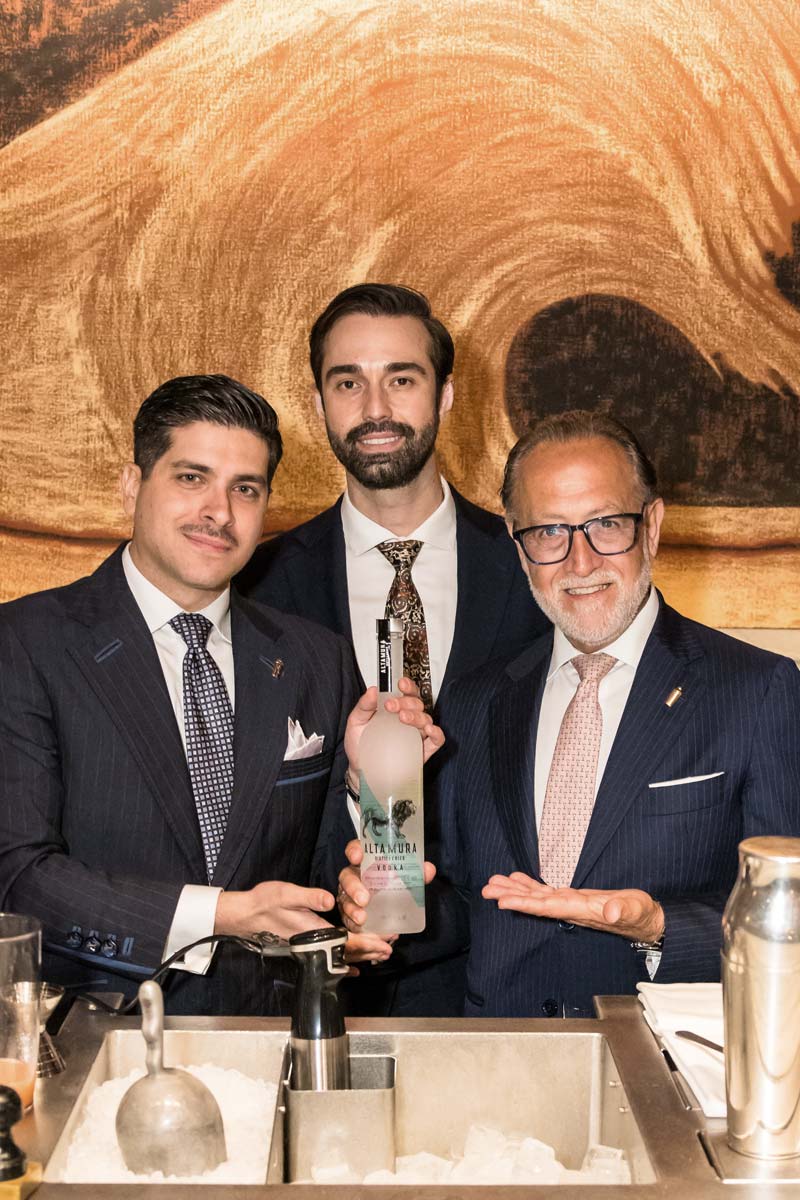
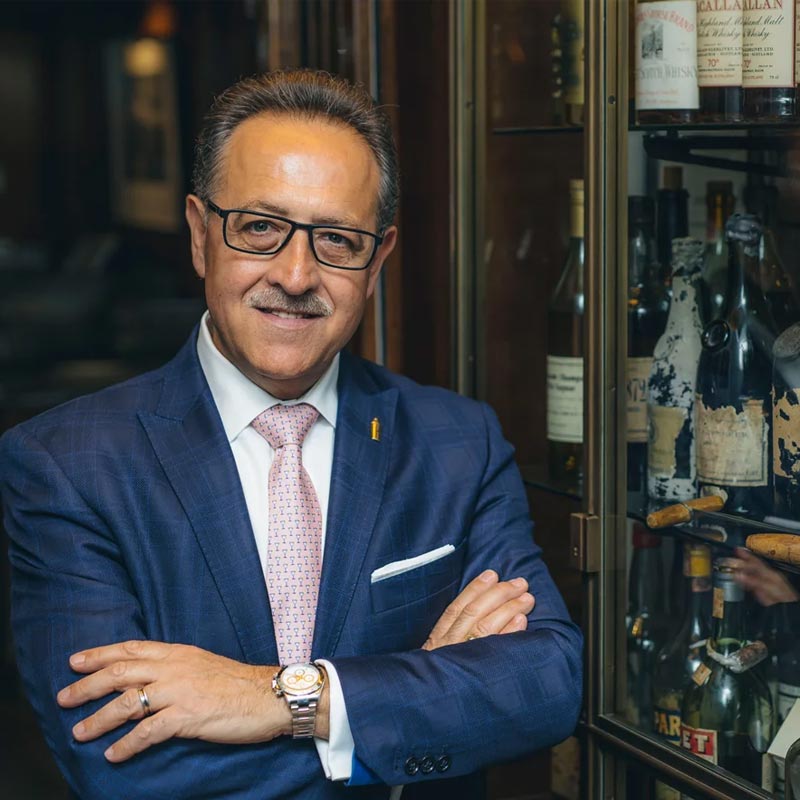
If you dream of leaving your mark behind the bar, there’s no better mentor than Salvatore Calabrese. Known around the world as The Maestro, Calabrese is more than just a master mixologist—he’s a true craftsman of hospitality. In our interview, The Maestro shares lessons, stories, and philosophies that shaped his journey, offering advice and inspiration for becoming a master of your own bartending career.
How did your early experiences in a hotel bar shape your career in hospitality?
As a young boy, I worked in a charming, little bar in our area called Hotel Reginna on my summer holidays. This is where I encountered my very first mentor, Signor Raffaello, who really showed me the way. I learned from him that if you look after your home and you care for the people who come to your home, they will feel good and they will enjoy visiting. The same goes for the place you work. I also learned to be highly particular. I’ve always been quite eccentric, doing things in particular ways. One of my first duties at Hotel Reginna, when I was 11 years old, was to slice bread for breakfast for the restaurant—and each slice had to be the same. I was so particular that I even developed a mold to make sure each slice was the perfect width. From an early age, I learned to be very fussy. There are things you must do in your work, so you might as well do them properly.
Can you give an example of how you’ve looked after the people in your home, your bars?
The well-known story of the DUKES Martini, which I created in 1985, is a great example. A particular guest stayed at the hotel for a week, and each day, he would come to the bar, asking for a martini that was very dry and very cold. Of course, the challenge was that I could make it colder by stirring it more, but that would cause dilution. He would say, “Yes, this is cold enough, but it’s not dry enough.” He was a two-martini man, so I would stir his second a bit less, and he would say…
“Yes, this is dry enough, but it’s not cold enough”
Can you give an example of how you’ve looked after the people in your home, your bars?
The well-known story of the DUKES Martini, which I created in 1985, is a great example. A particular guest stayed at the hotel for a week, and each day, he would come to the bar, asking for a martini that was very dry and very cold. Of course, the challenge was that I could make it colder by stirring it more, but that would cause dilution. He would say, “Yes, this is cold enough, but it’s not dry enough.” He was a two-martini man, so I would stir his second a bit less, and he would say…
“Yes, this is dry enough, but it’s not cold enough”
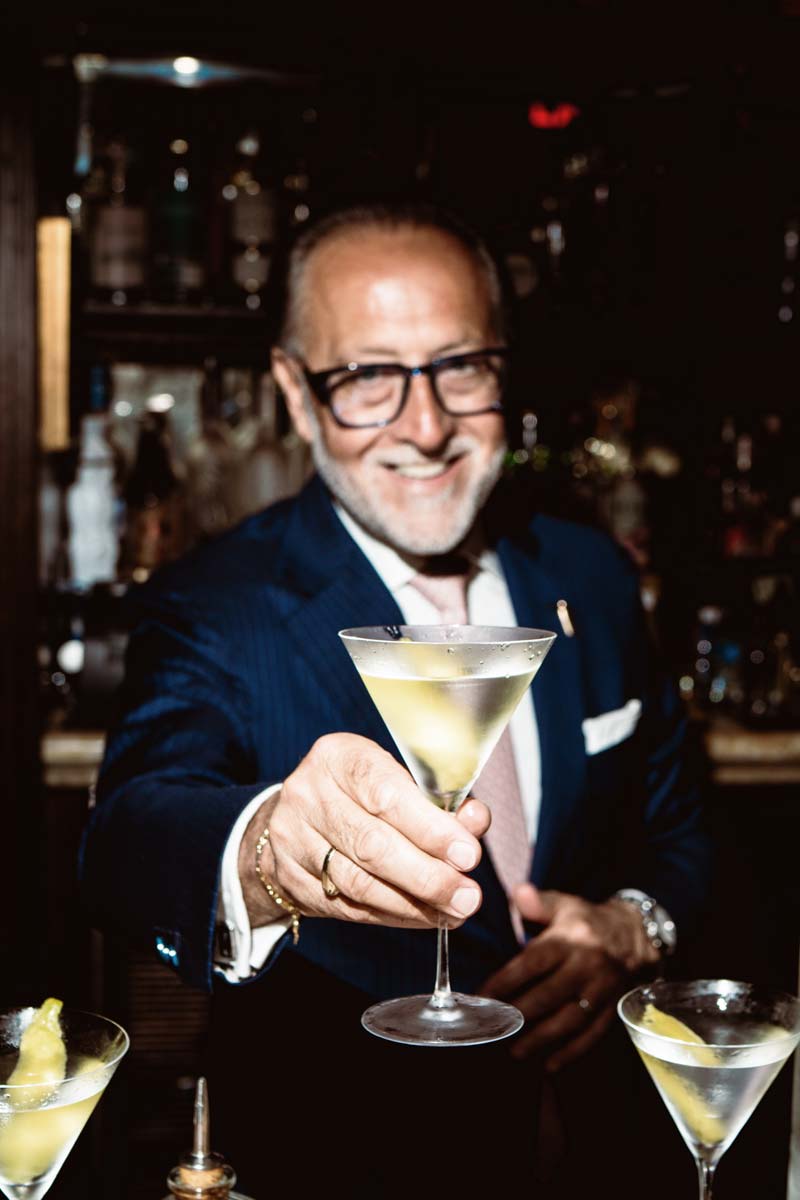
This went on for three days and was turning into my own little nightmare. If you care about what you do, then your task is always to fulfill the expectation of the person that is in front of you. Eventually, it occurred to me to put a bottle of gin and two glasses in the freezer. And when my guest returned on the fifth day, I took the gin and a glass from the freezer. Don’t ask me why, but I chose to pour it directly in the glass and lay the vermouth on top with a dash bottle. He finished the drink without complaint and ordered another. He took one sip, and left the bar.

A few hours later, he came back down and introduced himself as Stanton Delaplane, a famous journalist. He said, “Salvatore, I enjoyed your martini so much that I wrote a little article about it.” And the article said, “If you ever go to London, you must make a stop at the DUKES Bar, where Salvatore will make you the best martini on the planet. This martini really brought me to the world stage because everybody started to come to the DUKES to have this unique martini. If I hadn’t cared, if I didn’t figure out how to fulfill the expectation of this person, maybe I wouldn’t be here talking to you.
You’re also famous for creating the Breakfast Martini.
What inspired this cocktail?
In those days, I finished work later and later, and every morning, my wife would say to me, “Why don’t you have some breakfast, it will give you energy.” But every morning, I refused. One particular morning, I must have looked worse than ever, and she presented me with some toast with marmalade, commanding me to eat it. Now we all know, if you’re a smart man, you obey your wife. And while I had tasted marmalade before, 1996 was the golden age of cocktail making, and the taste was playing on my tongue. I used to play with all kinds of different things to elevate the cocktail experience, from using better spirits to playing with flavors like balsamic vinegar, truffle, garlic. In that moment, when my wife gave me the toast, I noticed the marmalade—it was quite bitter and tangy with a hint of sweetness. I kidnapped the marmalade, and I took it to work, daydreaming about what I should use with this marmalade to make a cocktail.
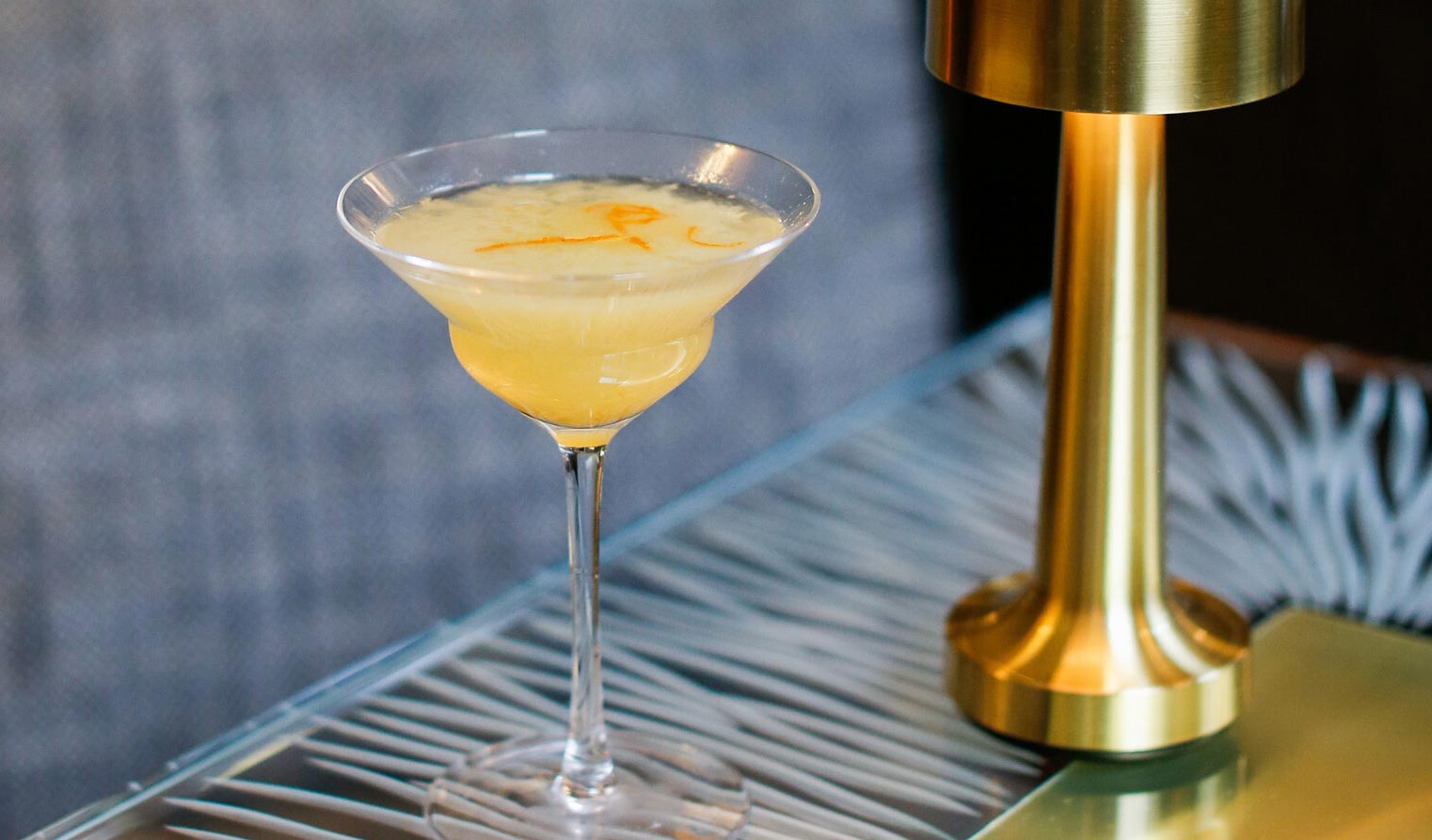
Obviously, orange marmalade is quite an English thing, so it had to be an English heritage. I chose gin. Then I wanted a bit of sweetness, but not sweetness from a gum syrup—something more refined, like Cointreau, was the perfect combination. Finally, a hint of citrus with the teaspoon of marmalade. By the time I arrived at work, my cocktail was already created. But what was more clever was the name: Breakfast Martini. People are intrigued when they see it on the menu. But I got in trouble with my wife the next day because the marmalade wasn’t there for her usual breakfast.
How can aspiring bartenders today go about being different when so much has been done already?
Everything has been done already. What makes the difference is the way you do it. For example, I’m sure plenty of my predecessors have had the idea to sell very old spirits, but I sell them differently. I associate the vintage with specific historical events, which also came about at DUKES.

DUKES was a very small bar—just a tiny room with six tables—where I could not generate much revenue through quantity. If I wanted to make more money, I needed to create quality. I thought, “Well, I have all this history around me. How can we be part of history?” We can see history, we can touch it, we can feel it, we can read it. But one thing no one really thought about was tasting history, which gave me the idea to develop and sell Liquid History.
You are not just buying a cognac from 1812, you are buying a cognac from the time Tchaikovsky composed his 1812 Overture. From the time the British set fire to Washington, D.C. From the time Napoleon was retreating from Moscow. I became the crazy Italian guy who sells Liquid History—and I took that little bar from £400 or £500 a week, up to £10,000 a table. There is always a way to be different.
There’s a lot of pressure today to stand out—flair bartending, crazy garnishes, social media. What actually matters if you want to be great?
If you want to be great in this field, don’t just think about mixology. Making a great drink is an art, but many people can learn it. What truly made me is the art of hospitality. Your job is to make your guests feel at home. Stevie Wonder came to my bar quite a few times, for example, and I started to understand his palate—he loved a bubble with something sweet. I created a champagne cocktail for him and called it the Champagne Wonder. He enjoyed it so much that he had several. Another time, I had my pianist playing the piano in my bar, and I noticed that Steve was rocking his head listening to the music. I asked him if he would like to play, and he said, “Yes, I would love to!” So, he stood up, and I took him to the piano, and he started to play—for over half an hour. He was enjoying himself. He was at home.
“When you master both mixology and hospitality together, you can call yourself a great bartender”
Nicole Bump
Nicole is a seasoned content strategist and writer with 15+ years of experience turning complex ideas into compelling stories. As founder of Bump Inbound, she helps brands connect with audiences through thoughtful strategy, sharp planning, and standout writing.

Red Snapper Cocktail & the Bloody Mary origin story
The Red Snapper
Red Snapper cocktail & the Bloody Mary origin story
Whether you enjoy it as a high-end brunch accompaniment or down it as a hangover cure, most people are well acquainted with the classic Bloody Mary. But how many have heard of the Red Snapper cocktail. It’s a bit of a trick question. The Bloody Mary, as we know it today, was perfected in 1934 at the King Cole Bar in The St. Regis Hotel New York. But the story starts about a decade earlier at Harry’s New York Bar in Paris.
Harry’s bartender Fernand “Pete” Petiot created the first Bloody Mary, a simple mix of vodka and tomato juice. He later brought the drink with him when he moved to New York, but Americans found the original Bloody Mary recipe too bland. At The St. Regis, Petiot refined the recipe into what we now recognize as the classic Bloody Mary by adding:
- Worcestershire sauce
- Black pepper
- Cayenne pepper
- Lemon juice
- Tabasco
- A pinch of celery salt
This elevated and flavorful version became an instant hit.

But what’s a Red Snapper?
In Paris, the original drink was called a “Bloody Bucket”. And while the American moniker “Bloody Mary” may sound slightly less gruesome, the name was still considered too vulgar for the refined clientele of the St. Regis.The hotel therefore renamed the hearty beverage the “Red Snapper”, and it’s still featured as a signature cocktail on the King Cole Bar menu today. In fact, the Red Snapper’s storied past is so integral to the St. Regis brand, each hotel and resort in the portfolio has crafted its own locally inspired interpretation, including:
-
SHOGUN MARY
Osaka
-
CANTO MARY
Hong Kong
-
SANTA MARIA
Venice
Red Snapper cocktail recipe
The Red Snapper cocktail recipe, according to the St. Regis, consists of premium vodka, Bloody Mary mix, and lemon wedge for garnish. The tomato juice plays a leading role in this cocktail, so invest in a quality juice.
And in our opinion, an extra dash of tabasco is always a smart idea.
Red Snapper Cocktail
Ingredients:
- 2 OZ Altamura Distilleries Vodka
- 4 OZ Tomato juice
- 1/2 OZ Lemon juice
- 1 OZ Bloody Mary Mix
Blood Mary Mix
- 1 OZ Soy sauce
- 2 OZ Fino Cherry
- 5 OZ Worcestershire sauce
- 10 Dashes Tabasco sauce
- 2 Tbsp freshly ground black pepper
- 2 Tbsp ground cayenne pepper
- 1 Tbsp ground celery salt
- 2 Tbsp whole black peppercorns
Directions
-
1.
Fill a 12 OZ glass with ice and add Altamura Distilleries Vodka.
-
2.
Strain peppercorns from the Bloody Mary mix and fill the glass with mix.
-
3.
Pour contents into a cocktail shaker and shake.
-
4.
Return to glass and use immediately or seal and refrigerate.
-
5.
Garnish with lemon.
Our favorite twist on the Red Snapper
Our favorite twist on the Red Snapper is the Santa Maria, the signature cocktail at the St. Regis Venice. This Italian interpretation of the Bloody Mary features:
- Horseradish infused Altamura Distilleries Vodka
- Clarified tomato juice
- Verjus
- House-made salt solution
- House-made spicy tincture
- Grappa
The Santa Maria is smooth, savory—and the perfect namesake for the Basilica di Santa Maria.
Mixologists
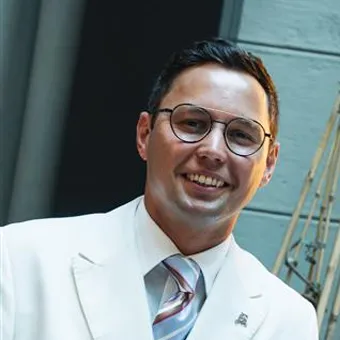
Nicole Bump
Nicole is a seasoned content strategist and writer with 15+ years of experience turning complex ideas into compelling stories. As founder of Bump Inbound, she helps brands connect with audiences through thoughtful strategy, sharp planning, and standout writing.